April 11, 2026·5 min read·healing, soft-tissue, compound-overview
BPC-157 — a research overview
15-amino-acid peptide derived from gastric protein with pro-angiogenic and tissue-protective mechanisms across soft-tissue and neurological models.
15-amino-acid peptide derived from gastric protein with pro-angiogenic and tissue-protective mechanisms across soft-tissue and neurological models.
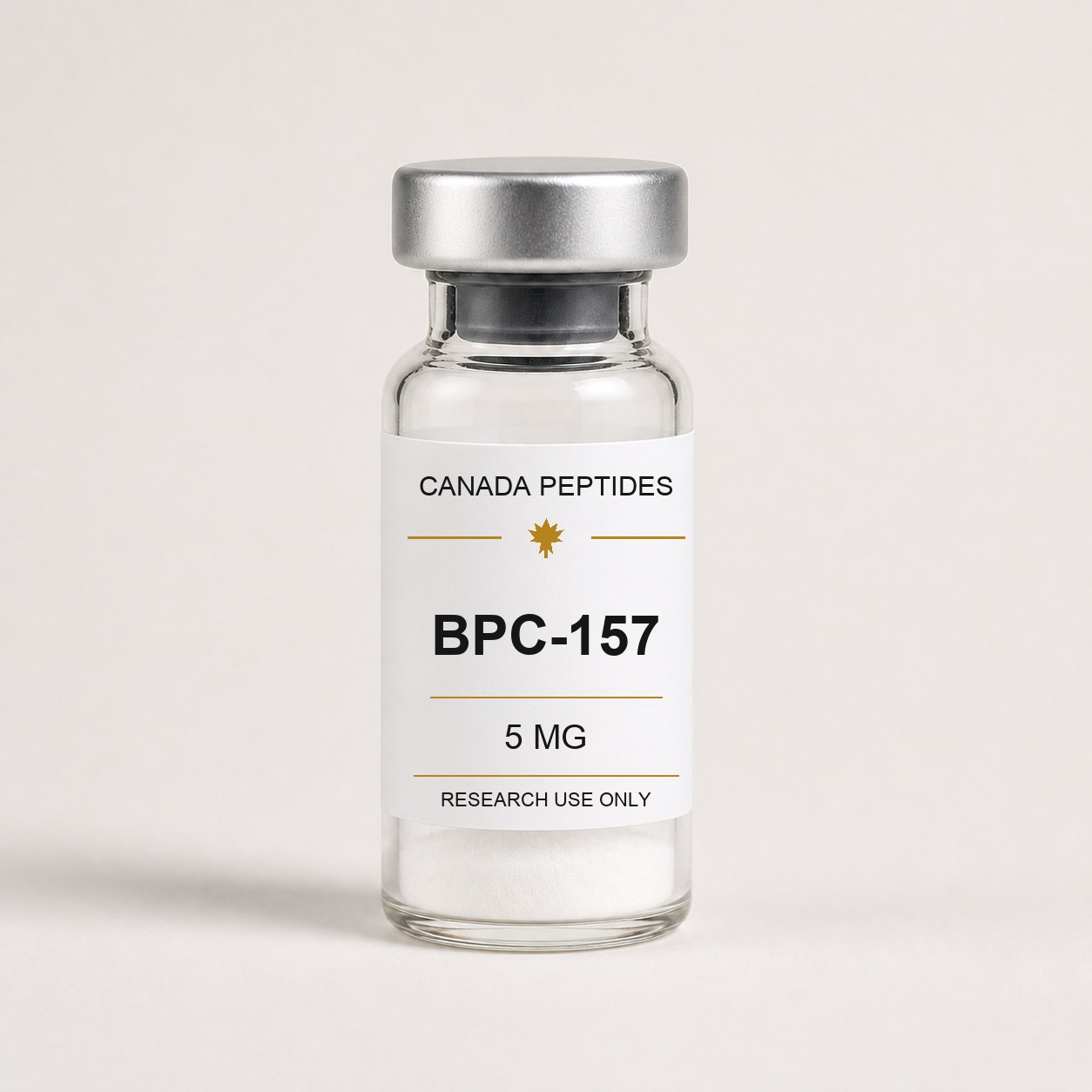
Body Protection Compound-157 — BPC-157 — is a synthetic 15-amino-acid pentadecapeptide derived from a larger gastric-juice protein called BPRP (Bilirubin Protection Response Protein). It has accumulated a substantial pre-clinical literature over three decades, concentrated in one research group (the Sikiric laboratory in Zagreb, Croatia), with emerging interest in repair and regeneration protocols. The gap between internet enthusiasm and published human data is wider for BPC-157 than for most compounds in the NeuroForge catalog. This matters for realistic expectation-setting. Understanding the research-grade peptide landscape is essential before committing to compounds at this stage of development.
BPC-157 appears to function through multiple redundant pathways, which complicates clean mechanistic framing. The primary evidence points to upregulation of vascular endothelial growth factor receptor 2 (VEGFR2) and modulation of nitric oxide (NO) synthase, both of which drive pro-angiogenic and vasculoprotective effects. The peptide also shows activity on the cytokine milieu surrounding injury sites, with reports of TNF-alpha modulation and increased fibroblast migration in vitro. In animal models of tendon rupture, ligament injury, and muscle strain, BPC-157 administration is associated with accelerated healing timelines and improved tissue architecture on histology.
The mechanism is not a single receptor agonism like the GLP-1 compounds — it's a pleiotropic profile of cellular effects. This means individual-level response variability is higher, and mechanism-derived predictions about dose-response scaling are weaker.
Plasma half-life of BPC-157 is remarkably short — somewhere below 30 minutes in available studies, possibly substantially shorter. This suggests BPC-157 does not circulate as an active agent; instead, therapeutic effects are localized or depot-based, persisting in tissue long after plasma clearance. Whether the peptide is binding to local tissue receptors, being processed into bioactive fragments, or is simply accumulating in tissue depots is unclear from the literature.
Oral bioavailability has been claimed in some Russian and Eastern European papers, but those datasets are poorly replicated and mechanistically unclear. Subcutaneous or intradermal injection are the routes with the clearest evidence. If oral administration is being considered, expect to treat the data as exploratory rather than established.
The Sikiric group's rodent work spans tendon rupture repair, ligament healing, muscle strain recovery, and corneal wound healing. In most models, BPC-157 administration — typically as bolus injections — produces earlier and more complete restoration of tensile strength and histological architecture compared to placebo. The effect sizes are substantial, often 30–50% improvement in healing rate.
This literature has two limitations worth flagging. First, it is heavily concentrated in a single research group, which raises questions about publication bias and whether the effects replicate in independent labs. Second, it is almost entirely pre-clinical — rodent and in vitro work. Human RCT data for soft-tissue repair is sparse, typically limited to small open-label trials or case series.
BPC-157 also appears in the literature for gut barrier function (pro-mucosal healing, modulated inflammatory response) and neuroprotection (anti-excitotoxicity, synaptic plasticity). Again, the evidence is pre-clinical, and the mechanistic story is pleiotropic rather than clean. None of these claims have moved into large randomized human trials.
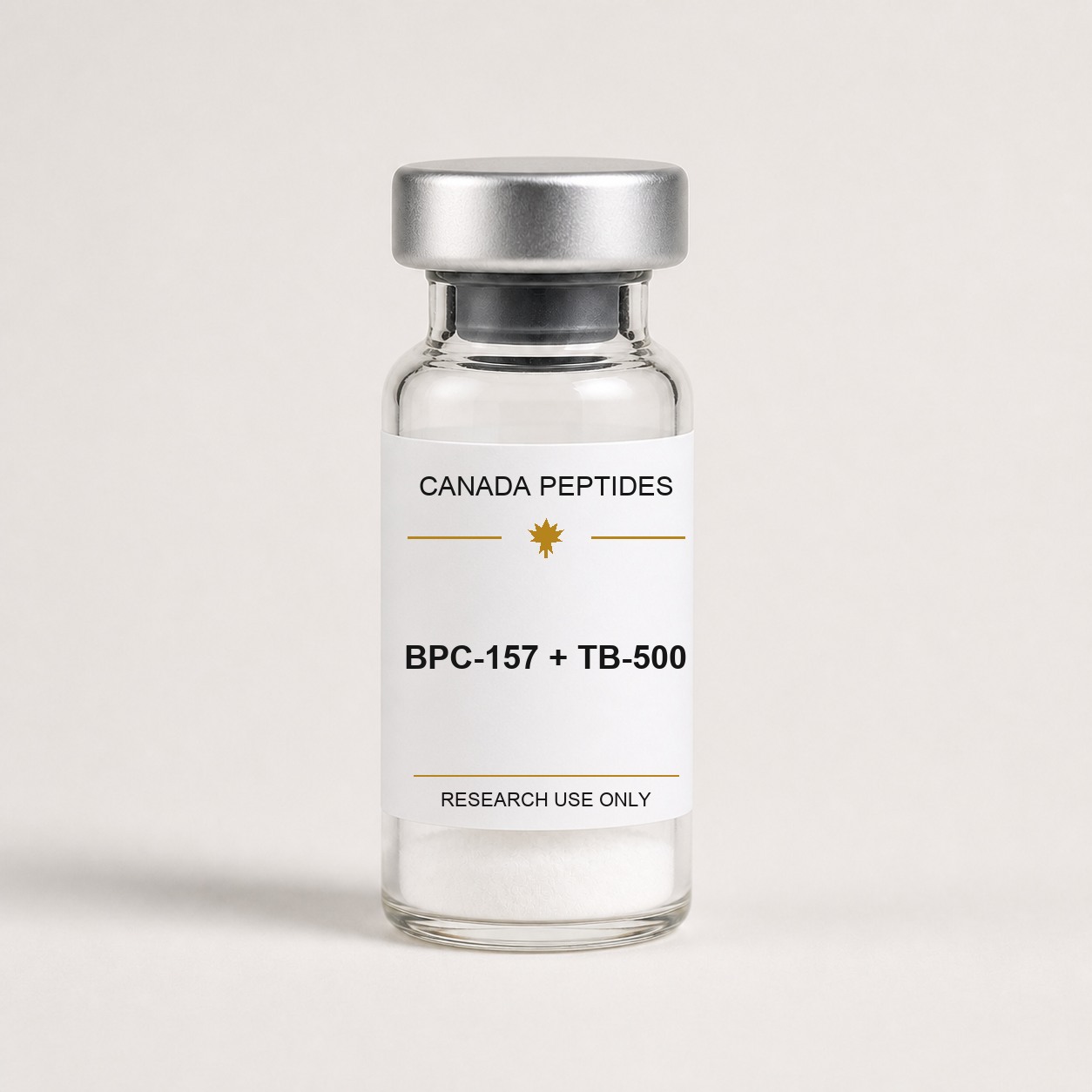
BPC-157 is rarely used in isolation. In the NeuroForge catalog and in the broader research literature, it is typically paired with Thymosin Beta-4 (TB-500) in a formulation designated BPC-157 + TB-500. The pairing is mechanistically complementary: BPC-157 drives pro-angiogenic signaling and cytokine modulation, while TB-500 drives cell migration and actin remodeling — two distinct pathways that address different bottlenecks in tissue repair. Whether the combination is synergistic or merely additive remains an empirical question. For deeper context on soft-tissue repair peptides, see the comparison between BPC-157 and TB-500.
Dosing in pre-clinical literature is typically in the range of micrograms per injection, with frequency varying from daily to every few days depending on the model. Translating rodent doses to human research doses is speculative; the existing human work has been performed at micrograms to low nanograms, but these studies are not powered to establish dose-response curves.
BPC-157 (part of a BPC-157 + TB-500 blend) is the entry point for users interested in injury and repair protocols with a mechanistic focus on angiogenesis and local tissue environment. It complements TB-500's cell-migration pathway and represents a distinct axis from the metabolic and growth-hormone categories elsewhere in the catalog.
What is the mechanism of BPC-157? BPC-157 appears to upregulate vascular endothelial growth factor receptor 2 (VEGFR2) and modulate nitric oxide synthase, driving pro-angiogenic and vasculoprotective effects. It also modulates the cytokine milieu surrounding injury sites, though the mechanism is pleiotropic rather than a single receptor interaction.
Is BPC-157 available as a standalone product? No, there is no standalone BPC-157 product at NeuroForge. It is available only as part of the BPC-157 + TB-500 combination, which pairs its pro-angiogenic mechanism with TB-500's cell-migration pathway for mechanistic breadth.
How long does BPC-157 stay in the body? BPC-157 has a remarkably short plasma half-life, below 30 minutes. Therapeutic effects appear to outlast circulating levels, suggesting tissue-level accumulation or persistence rather than systemic circulation.
Is there human trial data for BPC-157? Human RCT data for BPC-157 is sparse, limited to small open-label trials or case series. The published literature is concentrated in a single research group (Sikiric, Zagreb) with substantial pre-clinical but limited independent human replication.
Can BPC-157 be taken orally? Oral bioavailability claims appear in some Eastern European papers, but those datasets are poorly replicated and mechanistically unclear. Subcutaneous or intradermal injection are the routes with the clearest evidence.