April 20, 2026·6 min read·comparison, healing, soft-tissue
BPC-157 vs TB-500—healing peptides compared
Two foundational soft-tissue research peptides, their distinct mechanisms, and why they're often stacked together.
Two foundational soft-tissue research peptides, their distinct mechanisms, and why they're often stacked together.
Body Protection Compound 157 (BPC-157) and Thymosin Beta-4 (TB-500) are the two most-discussed peptides in the soft-tissue research space. They're mechanistically distinct, often stacked together, and frequently misunderstood as redundant. In fact, they address different phases of the healing process. Understanding the distinction sharpens both individual selection and stacking rationale.
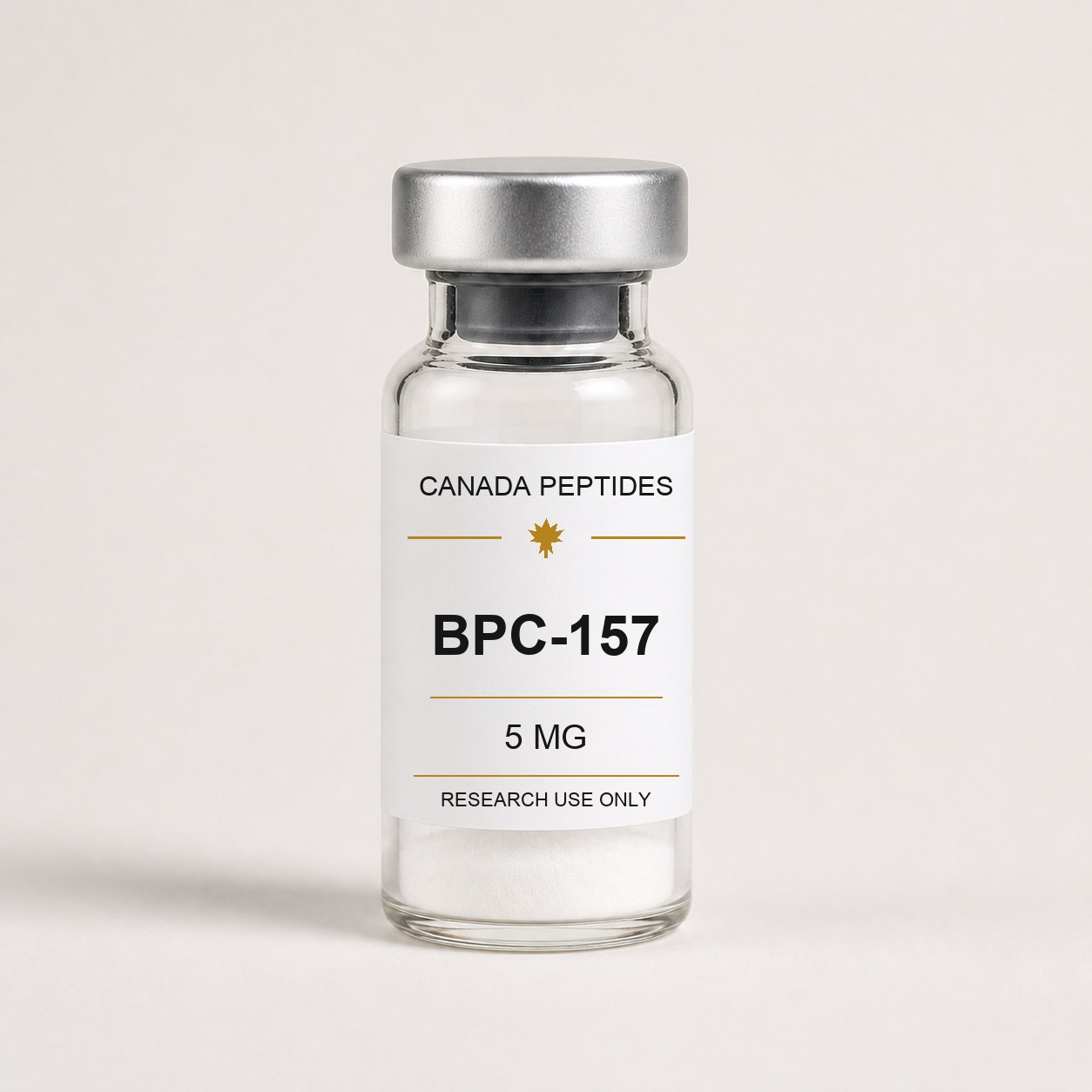
BPC-157 is a 15-amino-acid peptide derived from gastric juice, originally identified by Sikiric and colleagues in Zagreb. Its primary mechanism centers on upregulation of VEGFR2 (vascular endothelial growth factor receptor 2) and mobilization of the nitric oxide pathway, both of which drive new blood-vessel formation. In pre-clinical models, BPC-157 accelerates angiogenesis—the formation of new capillaries—into areas of tissue damage.
The literature on BPC-157 is predominantly rodent-based and mechanistically specific. Tendon, ligament, and acute soft-tissue injury studies show accelerated revascularization and faster return to baseline tensile strength. The compound is also characterized as having gastroprotective and neuroprotective properties, though these emerge in different dosing contexts and are less directly relevant to musculoskeletal research.
The limitation is acute. BPC-157 has a very short plasma half-life—likely under 30 minutes—which makes it unsuitable for once-weekly dosing. Researchers typically use it at higher doses, often daily or multiple-times-daily, and often in combination with other compounds.
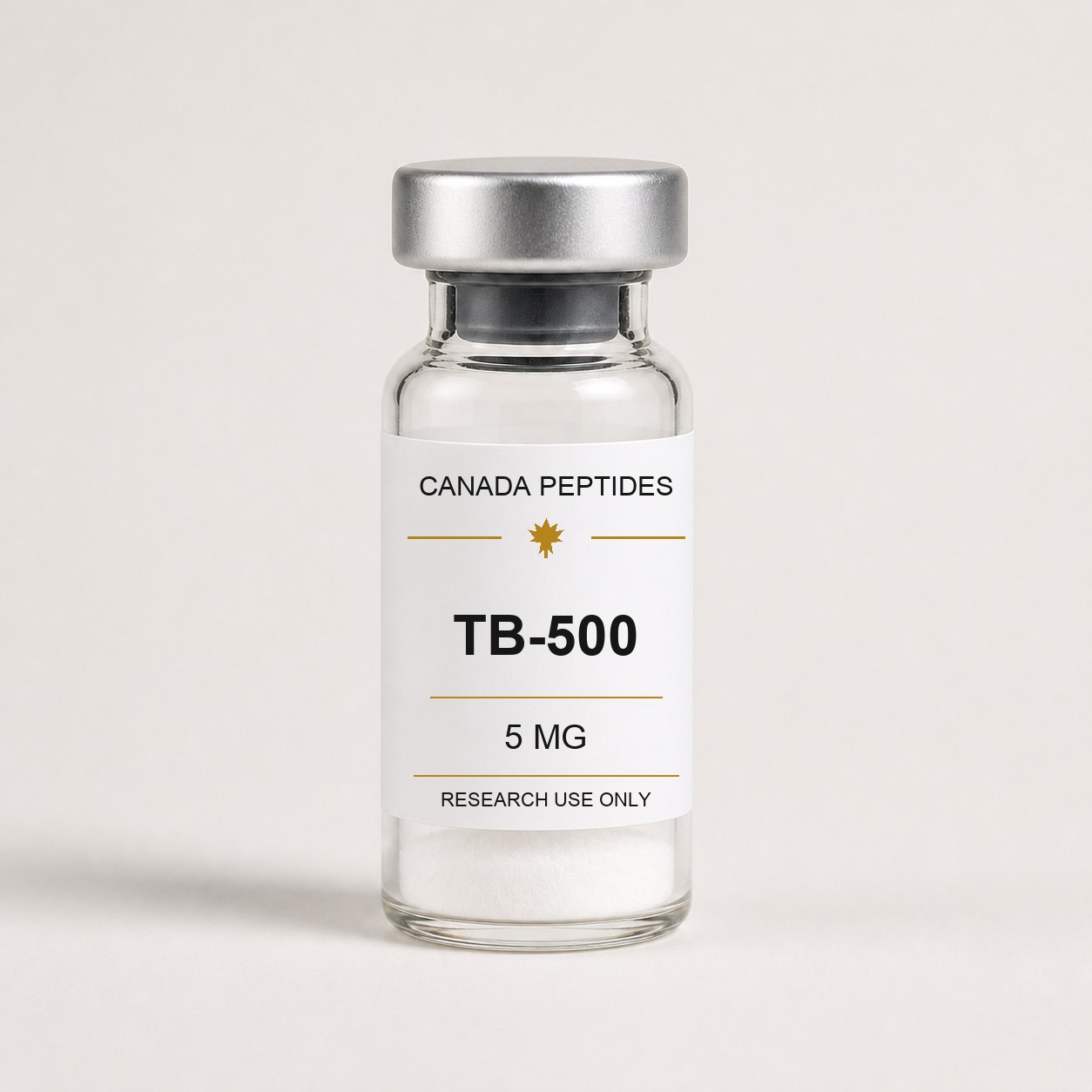
Thymosin Beta-4 (TB-500) is a 43-amino-acid peptide that exists naturally in vertebrate tissues, with particularly high concentrations in wound fluid and immune cells. Its mechanism is distinct from BPC-157: TB-500 sequesters monomeric G-actin, modulating the actin pool available for cell migration. This changes the recruitment and directional movement of fibroblasts, myoblasts, and endothelial cells into the wound.
The pre-clinical evidence spans tendon, muscle, cardiac tissue, and even corneal repair. TB-500 has a longer circulating half-life than BPC-157 (on the order of hours), permitting less-frequent dosing. The veterinary literature on TB-500 is unusually deep—it's used in equine sports medicine and has a long post-marketing observation window in that context.
Where TB-500 shines is in diffuse soft-tissue healing and systemic recovery contexts. Muscle strains, broadly distributed connective-tissue trauma, and even some cardiac outcomes have pre-clinical support. It's a more "integrative" peptide than BPC-157, casting a wider net across tissue types.
Here's where the comparison becomes a stack. BPC-157 builds the vascular network; TB-500 orchestrates the cellular migration into it. Together, they address two sequential phases of healing: neovascularization first, then tissue remodeling. This isn't speculation—the Sikiric group and others have published mechanistic data suggesting that when combined, the effects are additive rather than redundant.
Many researchers choose to run them together, either as equal doses or weighted toward one or the other depending on the specific injury phenotype. An acute tendon rupture might skew toward BPC-157 (vessel-first) plus TB-500. A diffuse muscle strain might skew toward TB-500 with BPC-157 as a supporting agent. A systemic recovery protocol after intense training might use TB-500 as the primary agent.
BPC-157 alone makes sense when the injury is clearly localized and vascular insufficiency is the bottleneck. The Sikiric literature on tendon rupture and ligament tear is robust enough to justify single-agent protocols. The short half-life is a feature here, not a bug—daily dosing maintains high local concentrations without systemic accumulation.
TB-500 alone is the choice for researchers seeking systemic recovery, prevention (rather than repair), or injury contexts where cellular coordination rather than vessel formation is rate-limiting. The longer half-life permits weekly or twice-weekly dosing, reducing injection frequency. Muscle recovery, cardiac pre-clinical work, and general wound-healing endpoints tend to favor TB-500.
Both peptides live in a zone of strong mechanistic pre-clinical evidence and thin human RCT data. The Sikiric group's body of work on BPC-157 is extensive and methodical—it's real science—but nearly all of it is in rodent models. TB-500 has some equine data, some rodent data, and very limited human evidence. Neither compound has undergone the kind of phase 2/3 human characterization that Semaglutide or Tirzepatide have.
The stacking hypothesis—that BPC-157 + TB-500 produces superior healing to either alone—is mechanistically plausible but not yet human-validated. It's a reasonable inference from the individual mechanisms, but it's an inference nonetheless. This is exactly the kind of question a researcher can test by running a protocol with well-defined healing endpoints and baseline measurements.
Both peptides are typically run for 8–12 week cycles with off-cycle breaks to allow tissue remodeling to stabilize. Dosing is highly context-dependent—injury severity, tissue type, and researcher experience all factor in. Because the plasma half-life of BPC-157 is short, consistent dosing frequency (daily or twice-daily) matters more than with longer-lived peptides.
If stacking, start with either equal doses or a 2:1 ratio (TB-500 to BPC-157) and measure outcome-specific endpoints weekly—tensile strength, range of motion, pain scale, or whatever is relevant to the injury type. Adjust the ratio based on response.
| Property | BPC-157 | TB-500 |
|---|---|---|
| Mechanism | VEGFR2 upregulation, angiogenesis | Actin sequestration, cell migration |
| Half-life | under 30 minutes | ~2-6 hours |
| Dosing frequency | Daily or 2x daily | Weekly or 2x weekly |
| Primary use | Localized vascular insufficiency | Systemic recovery, diffuse repair |
| Evidence depth | Rodent mechanistic (robust) | Rodent + equine (deep) |
| Stacking logic | Builds vessels first | Orchestrates cell migration into vessels |
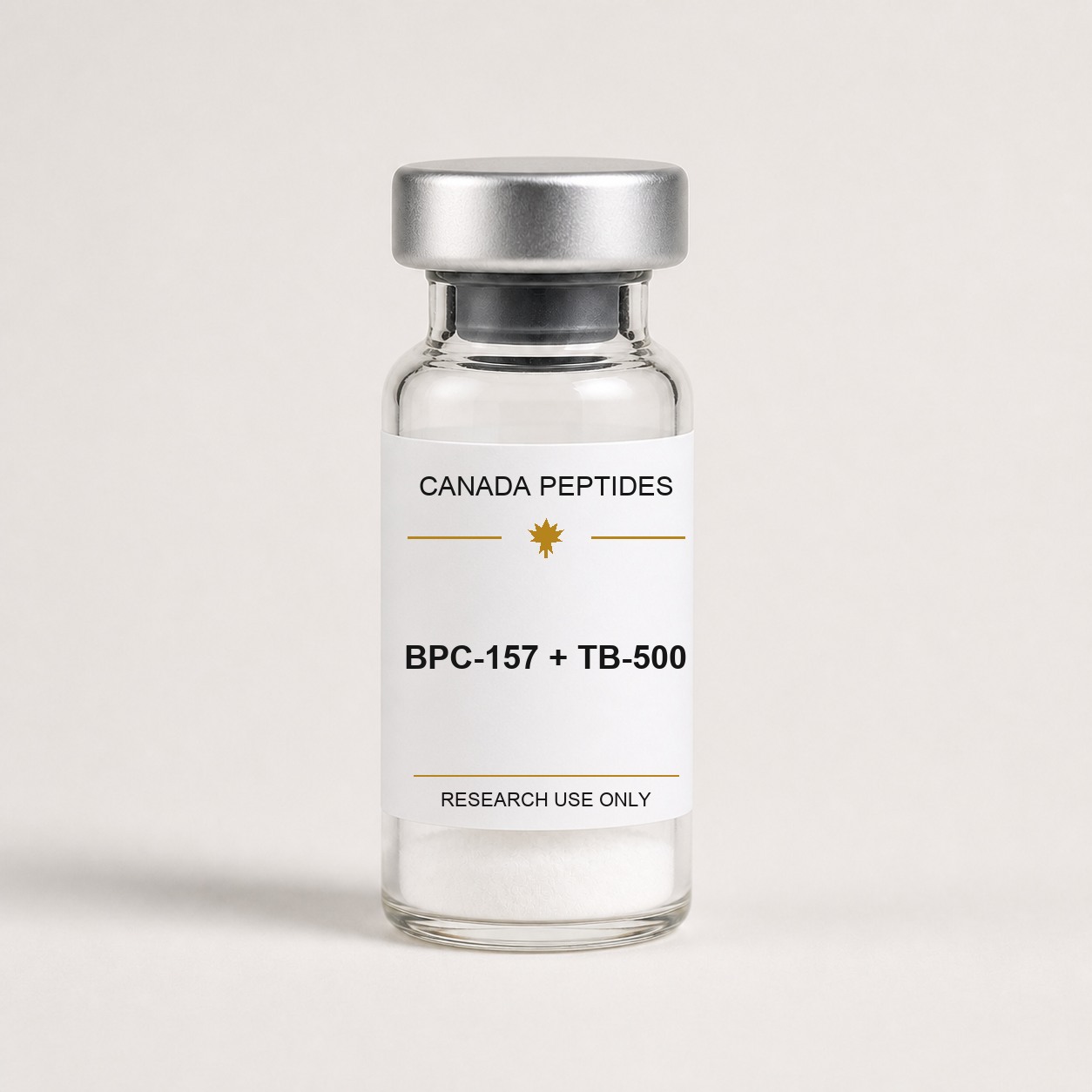
BPC-157 is available as part of our combo blend. TB-500 (Thymosin Beta-4, also in BPC-157 + TB-500 blend) can be sourced individually or as part of the healing-peptide blend, which includes both compounds pre-formulated for stack research.
Should you stack BPC-157 and TB-500 together? Yes. BPC-157 drives angiogenesis (vessel formation); TB-500 orchestrates cellular migration into those vessels. Together they address sequential healing phases and are mechanistically additive rather than redundant.
What's the main difference between BPC-157 and TB-500? BPC-157 has a half-life under 30 minutes and targets vascular insufficiency in localized injuries; TB-500 has a 2-6 hour half-life and excels at systemic recovery and diffuse soft-tissue healing.
Can you use BPC-157 alone without TB-500? Yes, for clearly localized vascular-limited injuries (tendon rupture, ligament tear). The short half-life means daily dosing, but high local concentrations are achieved without systemic accumulation.
Which peptide is better for muscle recovery after intense training? TB-500 is the primary choice due to its systemic reach and longer half-life. It promotes fibroblast and myoblast migration across distributed tissue, making it ideal for prevention and general recovery.
How long do you typically run BPC-157 and TB-500? 8-12 week cycles with off-cycle breaks to allow tissue remodeling to stabilize. BPC-157's short half-life means daily dosing; TB-500 permits weekly or twice-weekly injections.