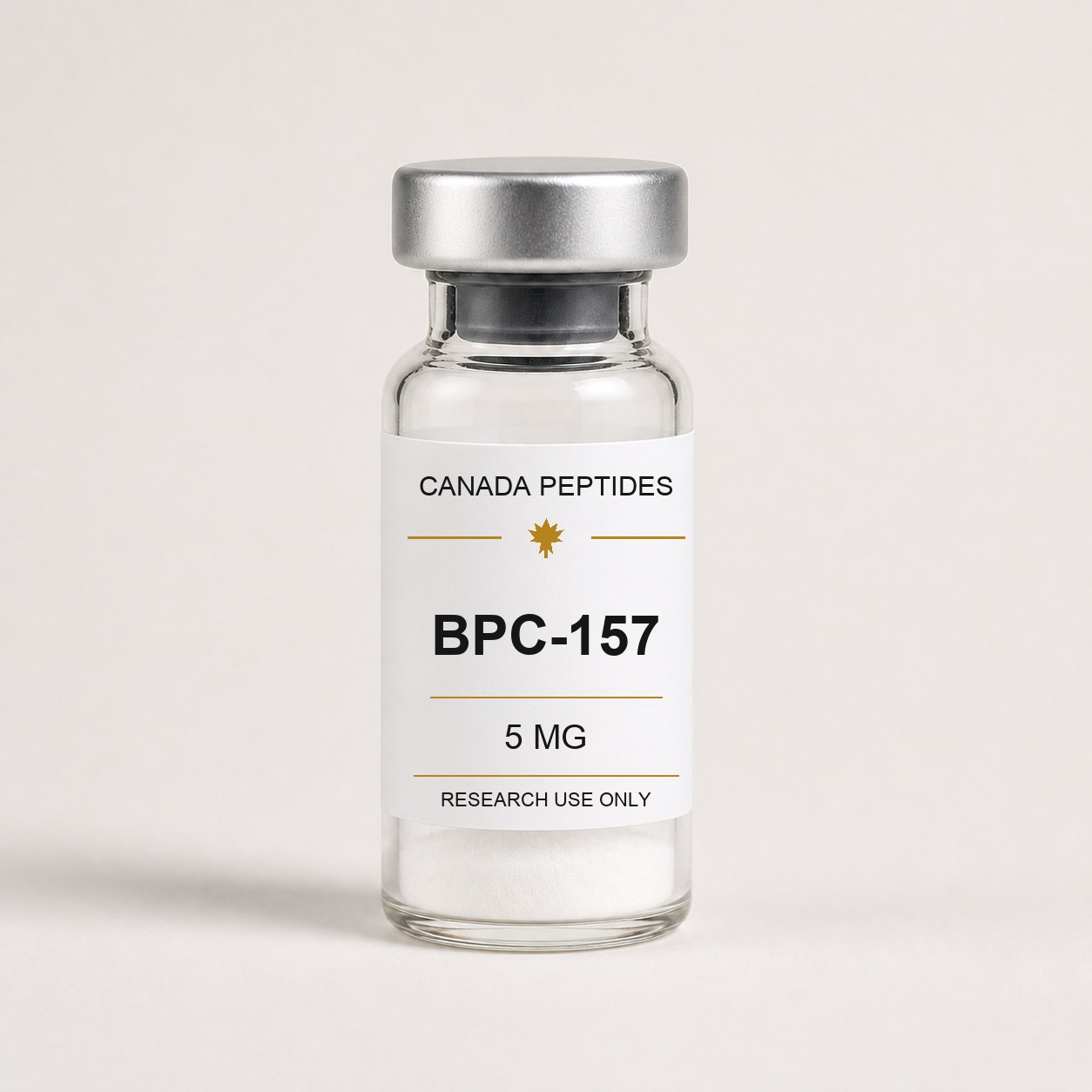
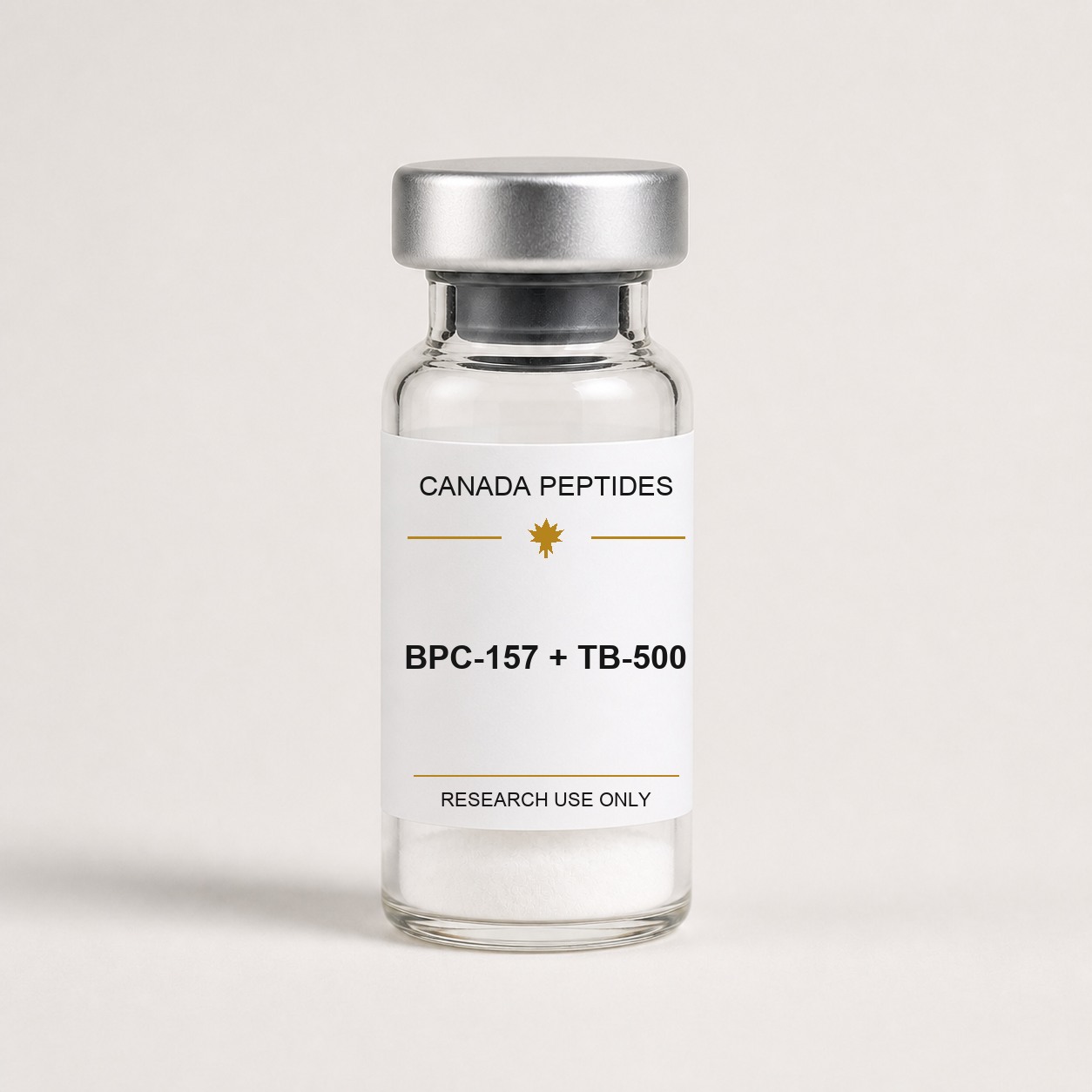
BPC-157 dosing questions are common, so here is a neutral reference on how the peptide is handled in research, with the handling math linked. It is research context only, not a dosing recommendation for human use. For the compound and where to buy it in Canada, see the BPC-157 hub.
Administration in research
Research protocols for BPC-157 typically use subcutaneous administration, often near the area of interest in animal-model work. Because BPC-157 is a research compound rather than an approved medicine, there is no standardised human dosing schedule — the literature describes a range of protocols, and this article does not recommend one.
Reconstitution and dosing math
Research-grade BPC-157 ships lyophilised and is reconstituted with bacteriostatic water before use. The volume drawn for a given amount depends on your reconstitution concentration — a units-and-concentration calculation, not a fixed number. Work it through with the dosing-math guide and reconstitution walkthrough.
Standalone or blended
BPC-157 is available as a standalone 5 mg vial and in a BPC-157 + TB-500 blend; the blend changes the per-draw math, so recalculate for the specific product.
Frequently asked questions
How is BPC-157 administered in research?
Research protocols typically use subcutaneous administration.
Is there a standard BPC-157 dose?
No. BPC-157 is a research compound with no standardised human dosing schedule; the literature describes a range of protocols.
How do I calculate a draw volume?
It depends on your reconstitution concentration; use the dosing-math and reconstitution guides. This article does not provide a human dosing recommendation.
Is this medical advice?
No. Research-grade BPC-157 is supplied for research use only; nothing here is medical advice.