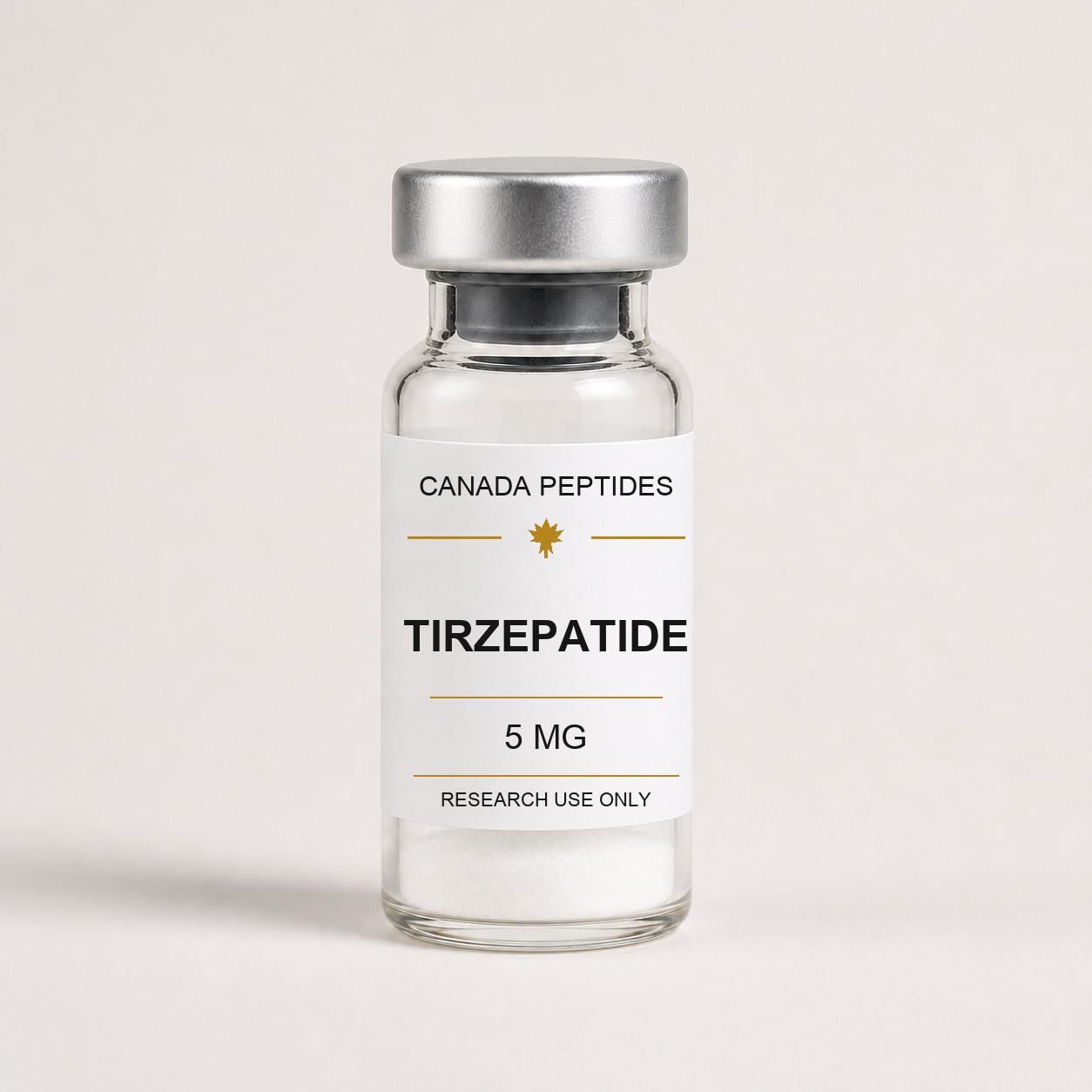
"Tirzepatide side effects" is a common search, so here is a neutral summary of what the published literature reports. This is informational reporting on the research, not medical advice or a safety claim. For the compound overview, see the Tirzepatide hub.
What the literature describes
Tirzepatide is a dual GLP-1/GIP agonist, and the tolerability signals in the literature are characteristic of the incretin class. The most commonly reported effects are gastrointestinal — nausea most often — and they are described as dose-dependent and most prominent during dose escalation. This is why protocols titrate gradually (see tirzepatide dosing).
Why titration is part of the picture
Because the reported effects track with how quickly the dose is raised, the titration schedule is part of the tolerability profile rather than separate from it. Slower escalation is the standard way the literature manages these signals. None of this is a safety assurance.
Frequently asked questions
What side effects does tirzepatide research report?
The literature most often reports gastrointestinal effects such as nausea, described as dose-dependent and most prominent during escalation — consistent with the GLP-1/GIP class.
Do side effects depend on dose?
The reported effects track with how quickly the dose is escalated, which is why published protocols titrate gradually.
Is tirzepatide safe?
Nothing here is a safety claim. Research-grade tirzepatide is supplied for laboratory research use only; consult the primary literature and note it is not for human use.
Is this medical advice?
No. This is informational reporting on the research literature, not medical advice.