The metabolic domain has moved the furthest of any peptide class in the
last five years. Incretin mimetics (GLP-1, GIP, glucagon agonists) now
have the largest, cleanest human dataset of any peptide family. Paired
with compounds that act through different pathways — catecholamine
reuptake inhibition, HGH-fragment lipolysis — they form a well-studied
compositional stack.
This protocol is designed for methodical fat loss with a preserved
lean-mass profile. It is not a crash protocol. Runs 12–16 weeks.
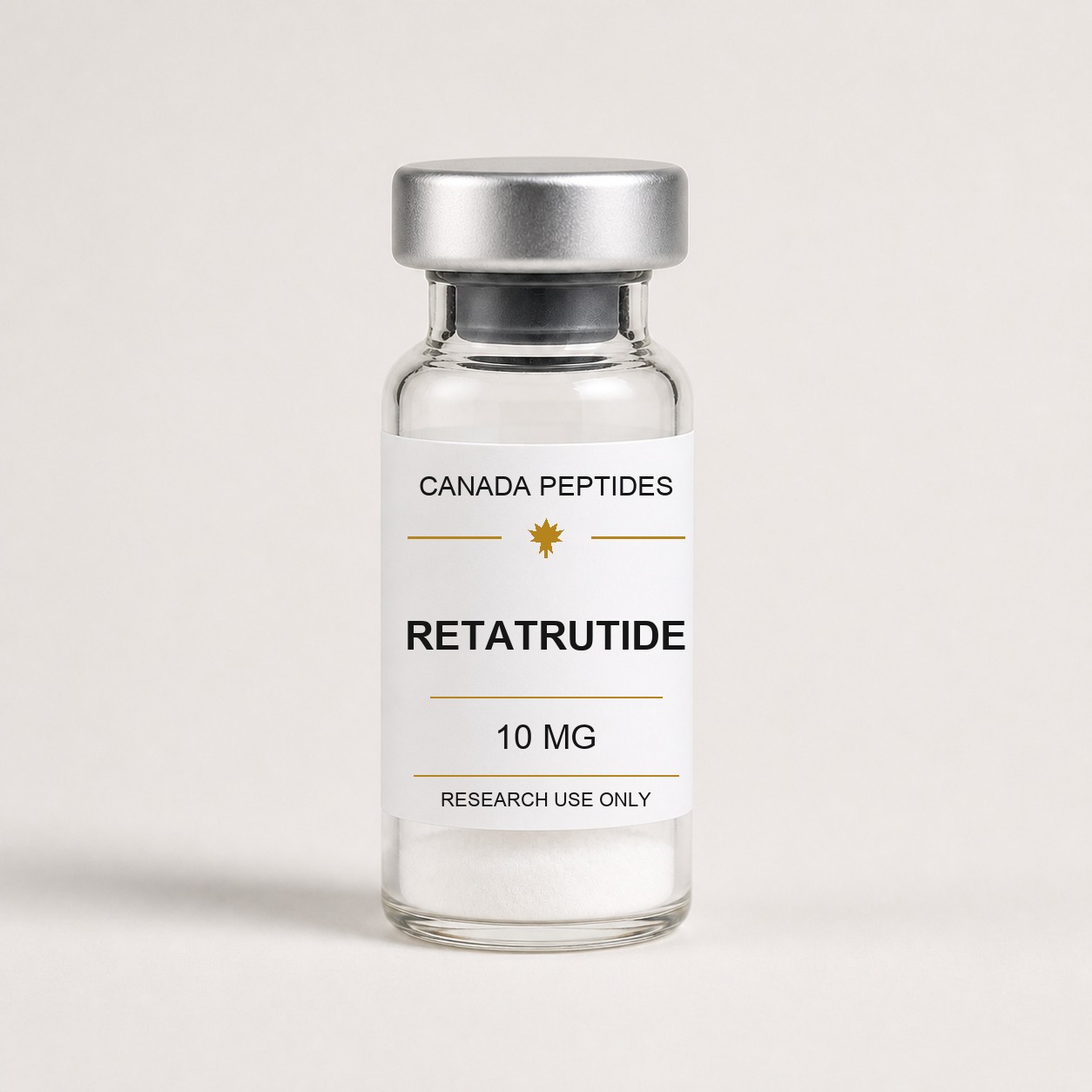
Core compound — Retatrutide
Retatrutide is the triple agonist —
GLP-1, GIP, and glucagon — with the strongest weight-loss signal in
published Phase 2 data to date. Weekly subcutaneous dosing. Start low
(1–2 mg/week) for two weeks to assess GI tolerance before titrating.
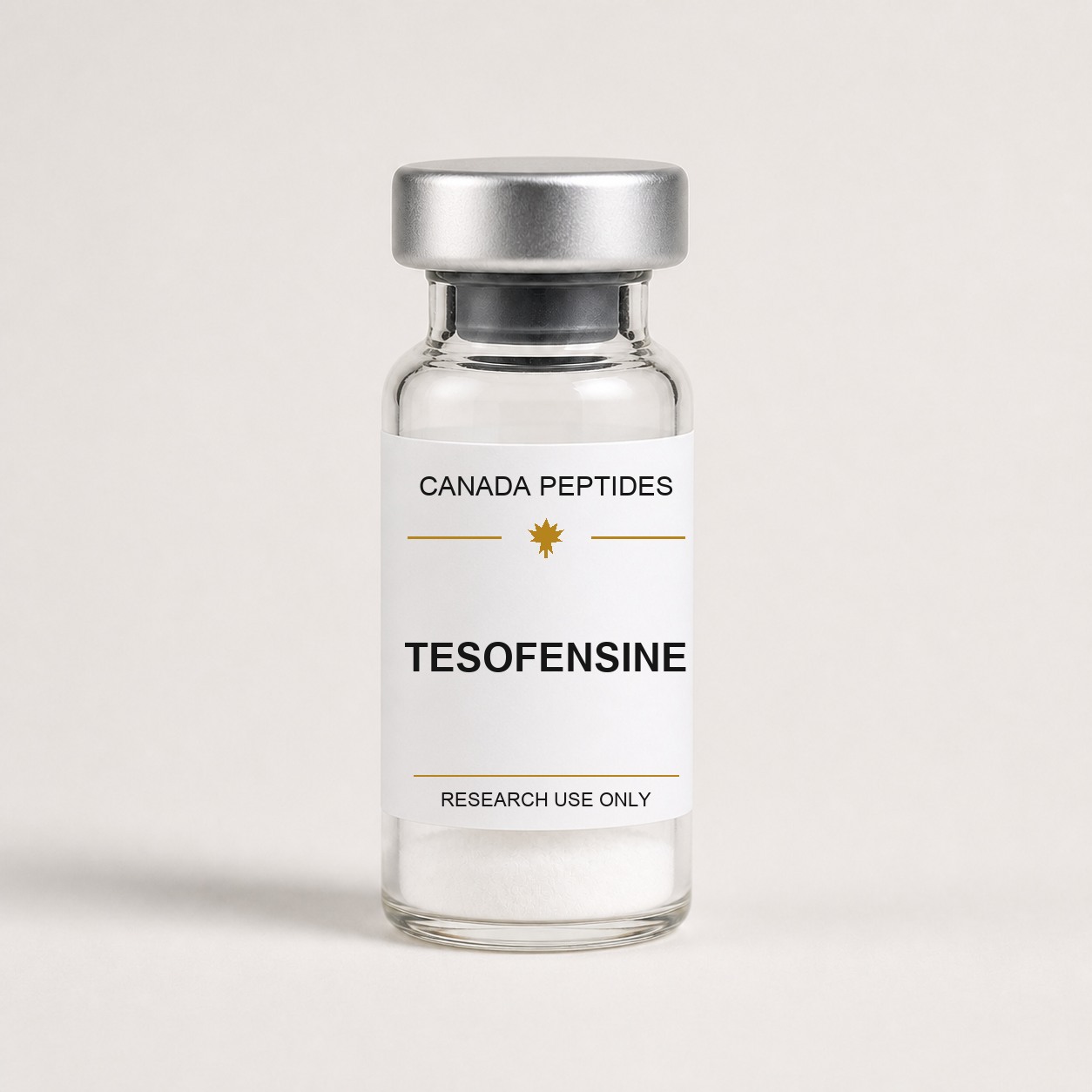
Catecholamine adjunct — Tesofensine
Tesofensine is a triple monoamine
reuptake inhibitor (serotonin, norepinephrine, dopamine). It acts through
a fundamentally different pathway from incretin mimetics — appetite
suppression plus increased basal metabolic activity. Low-dose
(0.25–0.5 mg daily) is the published research range.
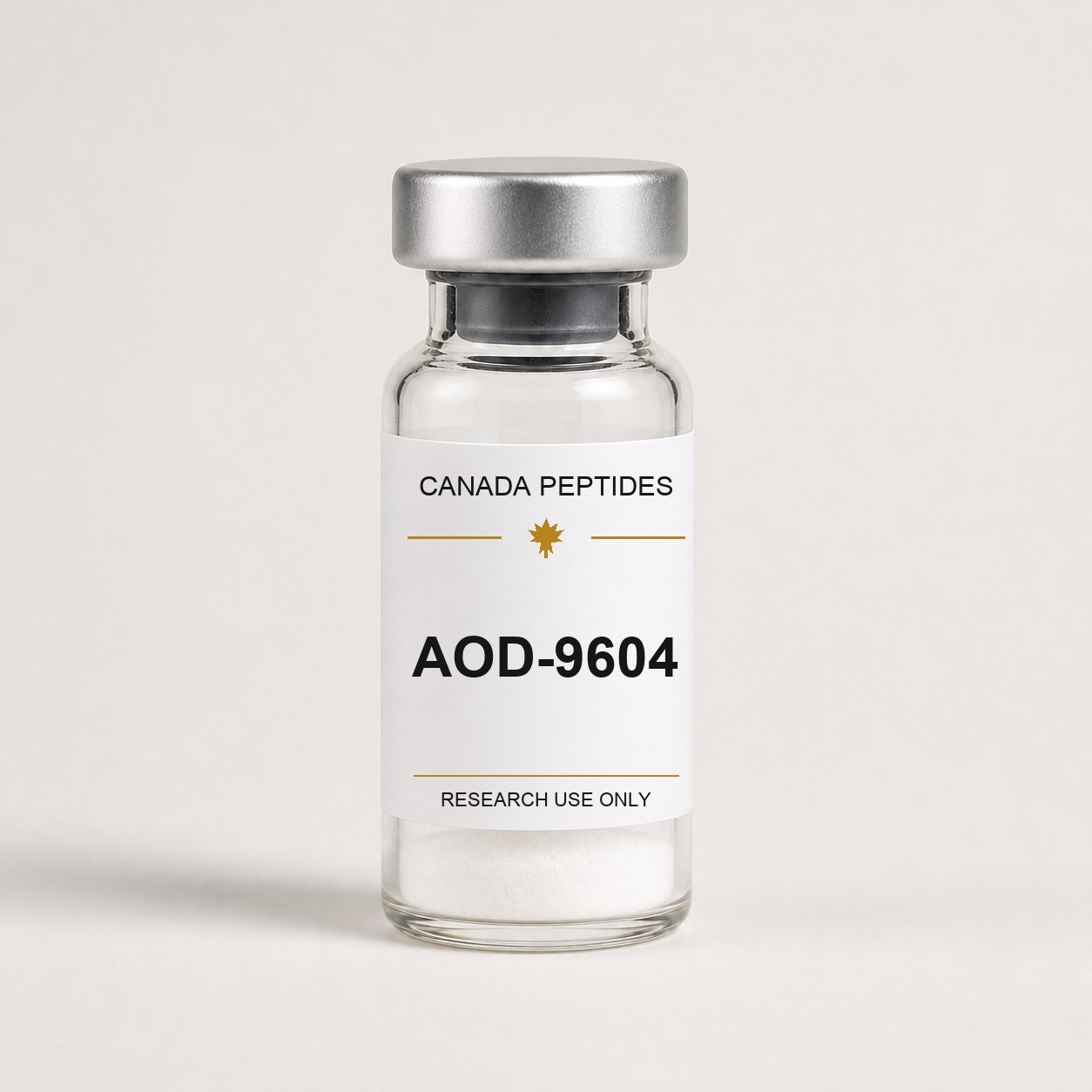
Lipolytic adjunct — AOD-9604
AOD-9604 is the HGH C-terminal fragment
isolated specifically for the lipolytic signaling of growth hormone
without the downstream IGF-1 effect. Less dramatic than the GLP-1 class,
but clean — minimal side-effect profile, no insulin-sensitivity
interaction with the core compound.
Proposed dosing window
Compound
Frequency
Published range
Retatrutide
Weekly
1–12 mg
Tesofensine
Daily
0.25–1.0 mg
AOD-9604
5x weekly
300 mcg
Endpoints to measure
Body weight (weekly, same time/condition)
Waist circumference (weekly, at the navel)
Resting heart rate (daily, from a fixed wearable)
Subjective satiety (10-point scale, logged at meals)
Fasting glucose (weekly)
When to stop
The published Retatrutide trials dose-escalate over 18–36 weeks. Stop
titrating when your weekly body-weight loss exceeds 1.5% — faster than
that is where lean mass begins to be consumed alongside adipose. Hold at
the effective dose rather than pushing higher.