The longevity domain has the most mechanistic breadth of any NeuroForge
category. The compounds below don't share a single pathway — they address
growth-hormone output, mitochondrial coenzyme supply, and circadian
regulation independently — which is what makes them additive rather than
redundant.
This is a layered protocol. Any one compound runs meaningfully on its own;
running all three addresses three distinct aging signals simultaneously.
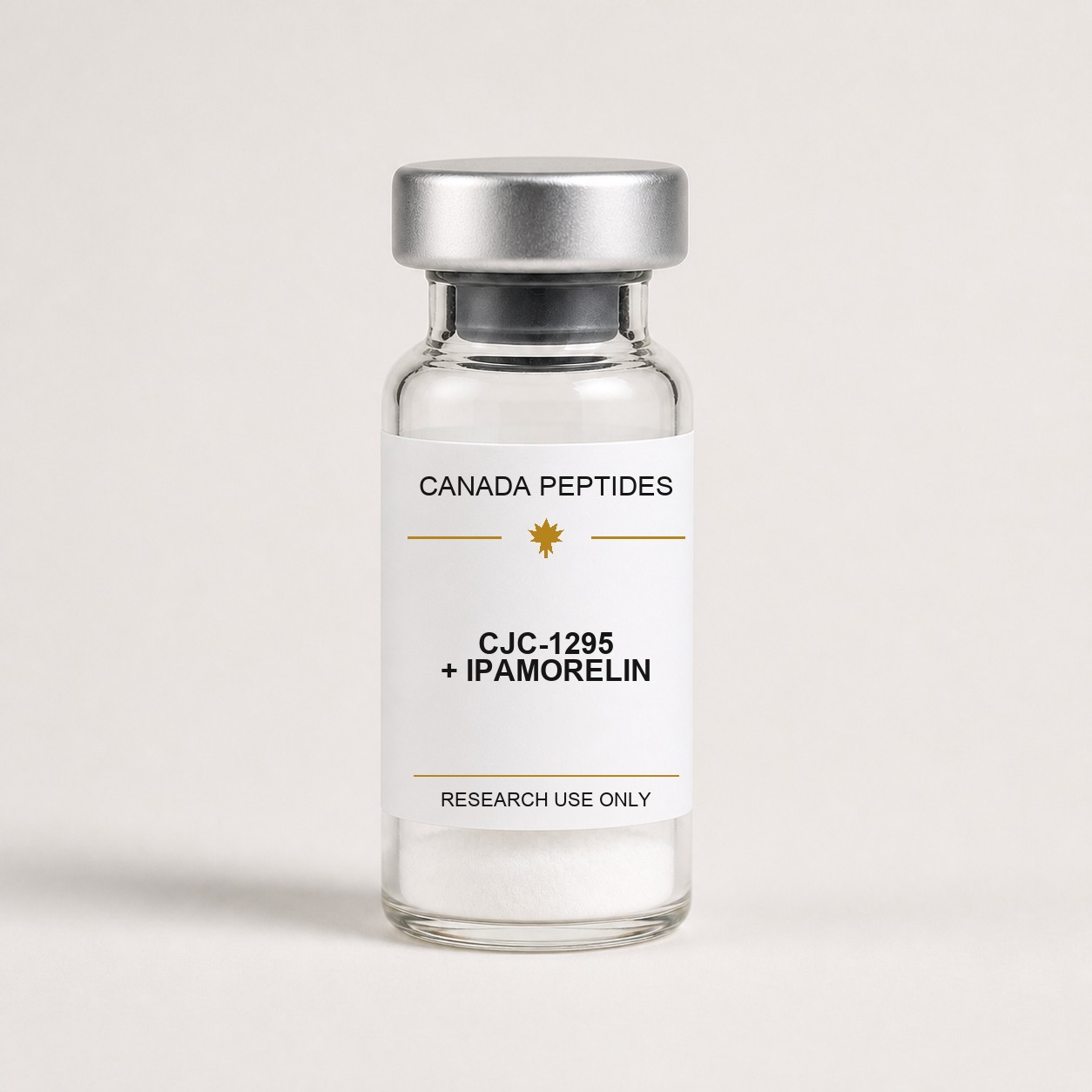
Core compound — CJC-1295 + Ipamorelin blend
CJC-1295 + Ipamorelin is the
standard synergistic GH secretagogue pair. CJC-1295 is a GHRH analog —
upstream, sustained release. Ipamorelin is a selective GH secretagogue —
downstream, pulsatile. They bind different receptors and produce a GH
pulse larger than either alone.
The combination blend is dosed once or twice daily subq. Morning and
pre-bed are the published windows that respect endogenous rhythm.
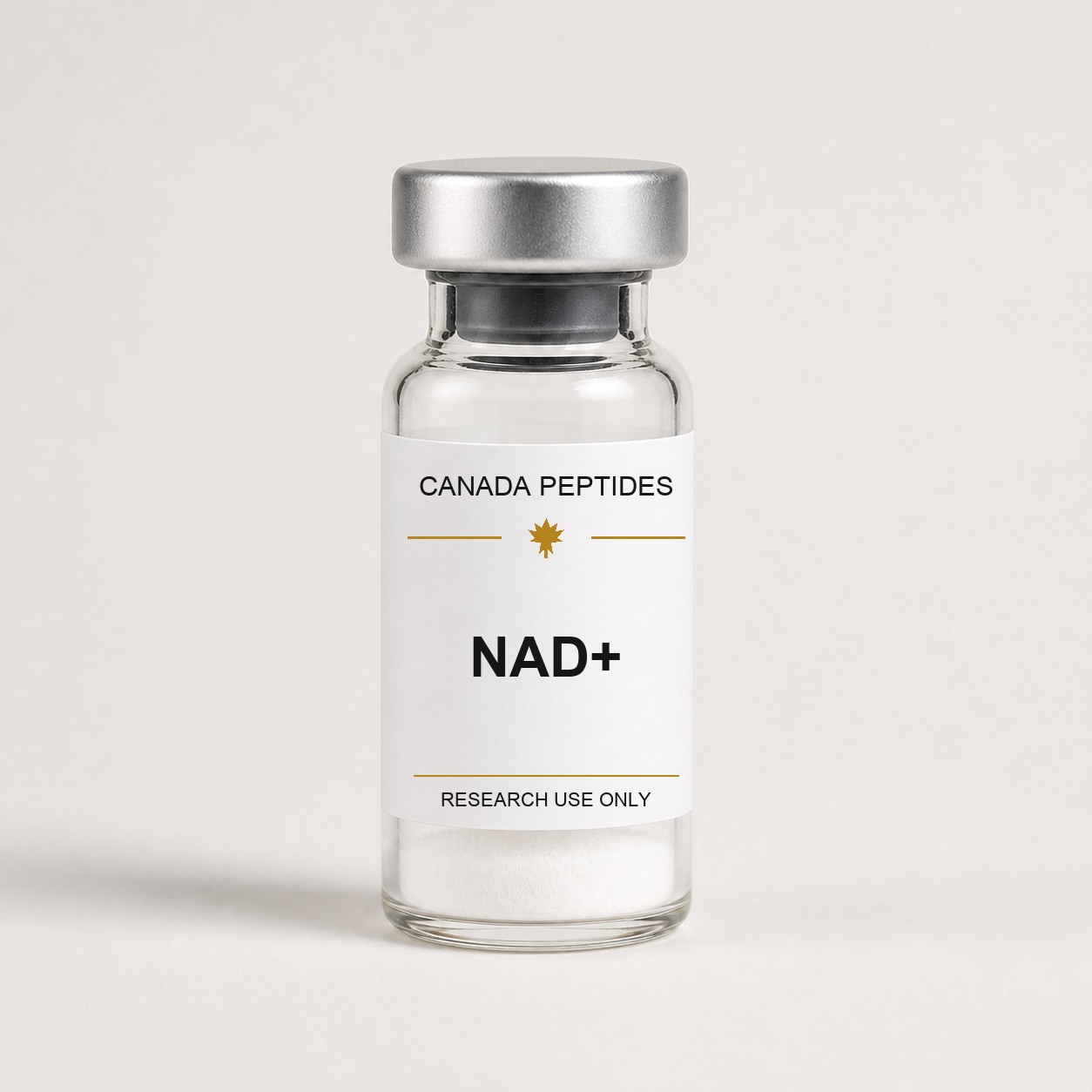
Mitochondrial substrate — NAD+
NAD+ supplies the precursor molecule for
mitochondrial electron transport, sirtuin activity, and DNA repair. The
IV literature is stronger than the subcutaneous literature, but subq
dosing has a cleaner protocol and fewer logistical barriers.
A 100–300 mg weekly subq dose is the research-range equivalent to a
standard infusion protocol. Expect flushing and warmth during
administration — both are normal and subside within 15 minutes.
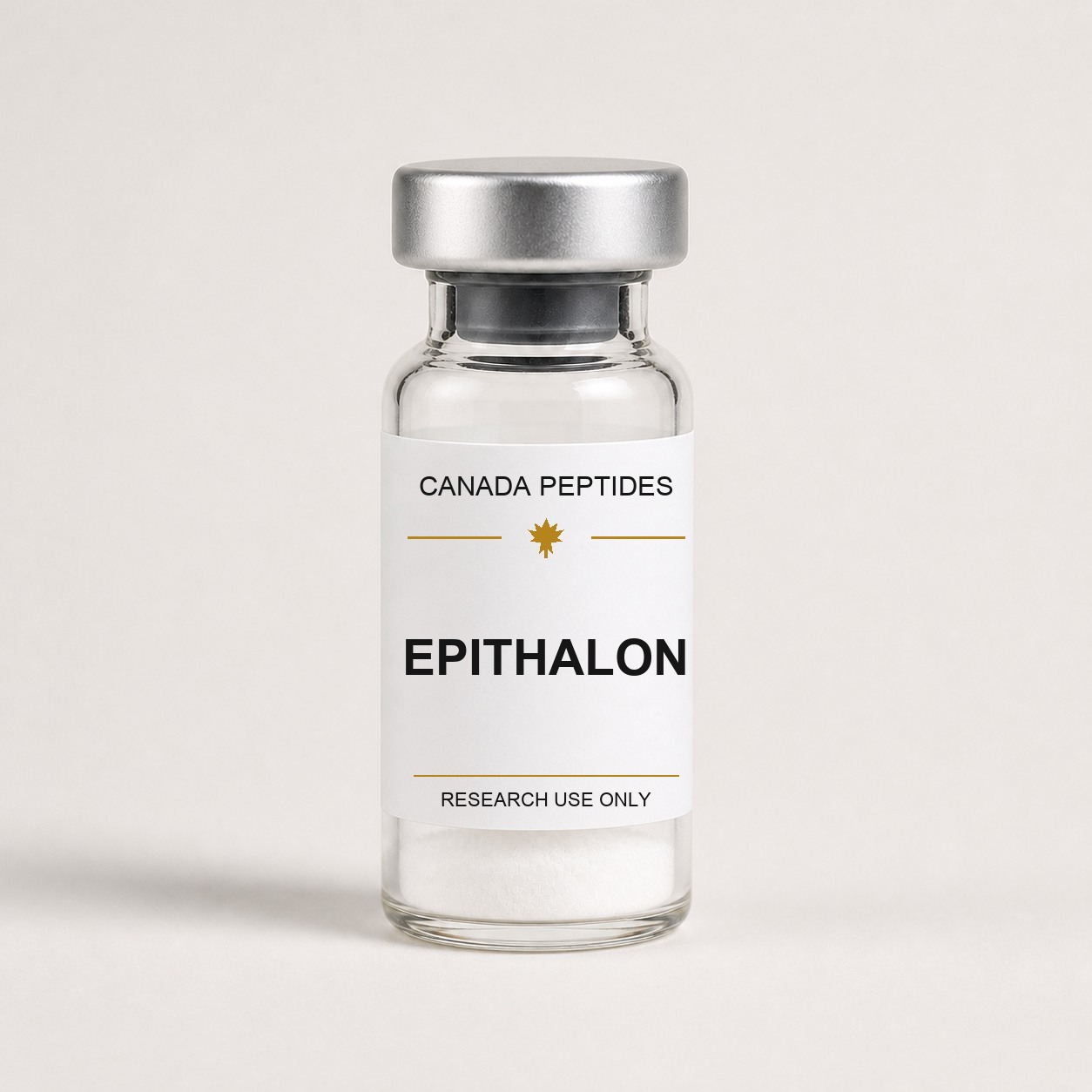
Circadian peptide — Epithalon
Epithalon is a four-amino-acid
synthetic analog of a pineal-derived peptide. The Russian literature
associates it with telomerase activation and normalization of circadian
melatonin output in older subjects. Cycled — typically 10 days on,
several months off — rather than run continuously.
Proposed dosing window
Compound
Frequency
Published range
CJC-1295 + Ipamorelin
Daily (pre-bed)
200–300 mcg per peptide
NAD+
Weekly
100–300 mg subq
Epithalon
Daily for 10 days, 2–4x/year
5–10 mg
Endpoints to measure
IGF-1 (baseline, then every 6 weeks)
Sleep quality and duration (daily from wearable)
Resting heart rate variability (daily)
Subjective recovery (1–10, daily)
Body composition (monthly)
When to stop
The GH stack has a documented taper strategy — running continuously
attenuates endogenous GHRH sensitivity over time. Five days on, two days
off is the standard cycling pattern. NAD+ and Epithalon cycle
independently and don't require coordination with the GH pair.