July 26, 2026·6 min read·BPC-157, dosing, pharmacokinetics, research, peptides
BPC-157 dosage — research dosing notes
A literature review of BPC-157 dosage: the animal dose ranges actually studied, the measured pharmacokinetics in rats and dogs, and why no human dose has been established. Research use only.
"BPC-157 dosage" is among the most-searched peptide queries and among the least well-supported. Thirty years of preclinical work sits behind this pentadecapeptide; the human record is three uncontrolled pilot studies totalling fewer than thirty subjects, none using a standardised pharmaceutical preparation. This page maps what the published literature actually contains — animal dose ranges, measured pharmacokinetics, reconstitution arithmetic — and marks where the record stops and inference begins.
The compound
BPC-157 is a synthetic 15-amino-acid sequence — a partial sequence of body protection compound isolated from human gastric juice — with a molecular mass near 1,420 g/mol. Its defining physicochemical property is stability in gastric juice, which is why the literature contains oral and topical administration rather than injection alone. Material circulates as both free base and acetate salt, and the salt form changes peptide content per milligram — so a Certificate of Analysis stating peptide content, not just vial mass, is the starting point for any calculation.
What the preclinical literature dosed
The rat work that generates most BPC-157 citations clusters in a remarkably narrow band. Activity is reported consistently across roughly 10 ng/kg to 10 µg/kg, administered intraperitoneally, intragastrically, or topically, typically once daily. That the same qualitative effects appear across a thousand-fold dose range is itself a finding worth sitting with: it suggests a flat or saturating dose-response over that window rather than a conventional gradient, and it means "more" has no support in the literature as a directional principle.
Toxicology is unusually quiet: limit tests in mice at up to 2 g/kg, intravenous or intragastric, reported no lethal dose. That is a real observation, but it speaks to acute lethality only — not to chronic exposure, not to human physiology, and not to the impurity profile of any particular vial.
Measured pharmacokinetics
He and colleagues (Frontiers in Pharmacology, 2022) published the most complete PK characterisation to date, in rats and beagle dogs.
Parameter
Rat
Dog
IV dose studied
20 µg/kg
6 µg/kg
IV elimination t½
15.2 min
5.27 min
IM t½
< 30 min (all doses)
< 30 min (all doses)
IM Tmax
3 min
~6–9 min
IM absolute bioavailability
14.5–19.4%
45.3–50.6%
IM doses studied
20, 100, 500 µg/kg
6, 30, 150 µg/kg
Cmax in rats after IM administration was 12.3, 48.9 and 141 ng/mL at 20, 100 and 500 µg/kg — linear across the range, as in dogs. Excretion over 72 hours ran through urine (about 16%) and bile (about 9%), with tissue concentrations highest in kidney, liver and stomach wall.
Two things follow. First, the species gap in bioavailability is roughly three-fold — about 15% in rats against about 48% in dogs — which alone should discourage carrying an animal figure across species by arithmetic. Second, plasma half-life is under half an hour while reported biological effects persist for hours to days. Plasma exposure is therefore a poor proxy for duration of effect here, and any dosing cadence inferred from half-life alone is inference, not data.
The human record
Pliva (Croatia) developed BPC-157 under the designations PL-10, PLD-116 and PL 14736, carrying it into Phase 2 for inflammatory bowel disease as an enema formulation. Those results were never published as a standalone clinical paper, so per-arm doses, endpoints and effect sizes cannot be verified against a primary source — a point routinely glossed over in secondary summaries that quote specific figures anyway.
The other human data in circulation is a 2021 retrospective case series (Lee and Padgett, Alternative Therapies in Health and Medicine) in which 12 patients received intra-articular BPC 157, some combined with thymosin beta-4; 7 of 12 reported knee-pain relief persisting beyond six months. Retrospective, uncontrolled, unblinded, single-site, no standardised preparation — a signal to test, not a result to dose from.
A 2026 review in Pharmaceutics (Mateescu et al.) frames the situation precisely: the barrier to translation is pharmaceutical, not biological. No pharmaceutical-grade formulation has been developed or validated, and the peptide lacks permeability characterisation and formal excipient-compatibility data. Without those, there is nothing for a "correct dose" to be a property of.
Reconstitution and unit arithmetic
Converting a literature figure into a laboratory work plan is arithmetic rather than judgment, and it is where most errors happen — usually at the ng/µg/mg boundaries this compound straddles.
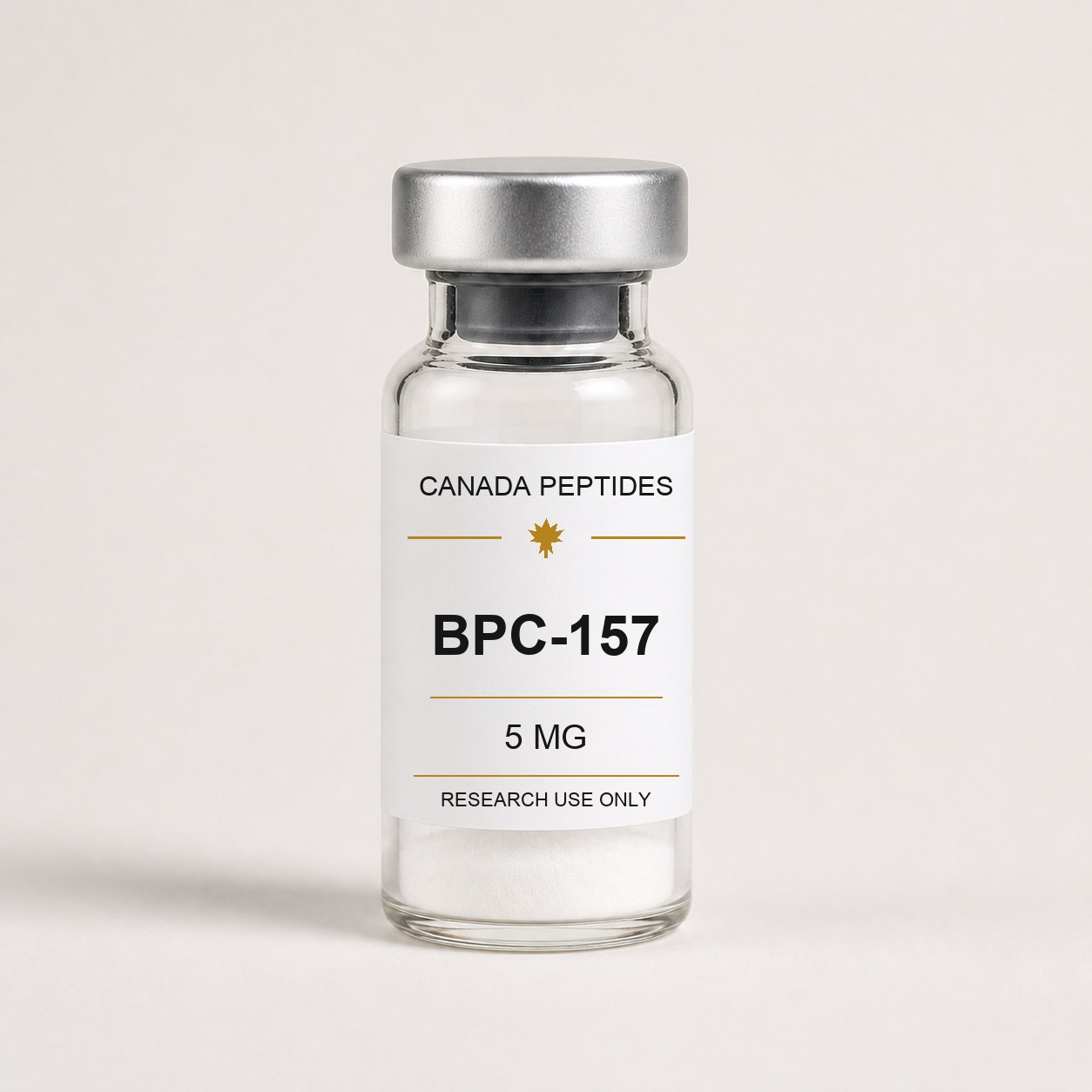
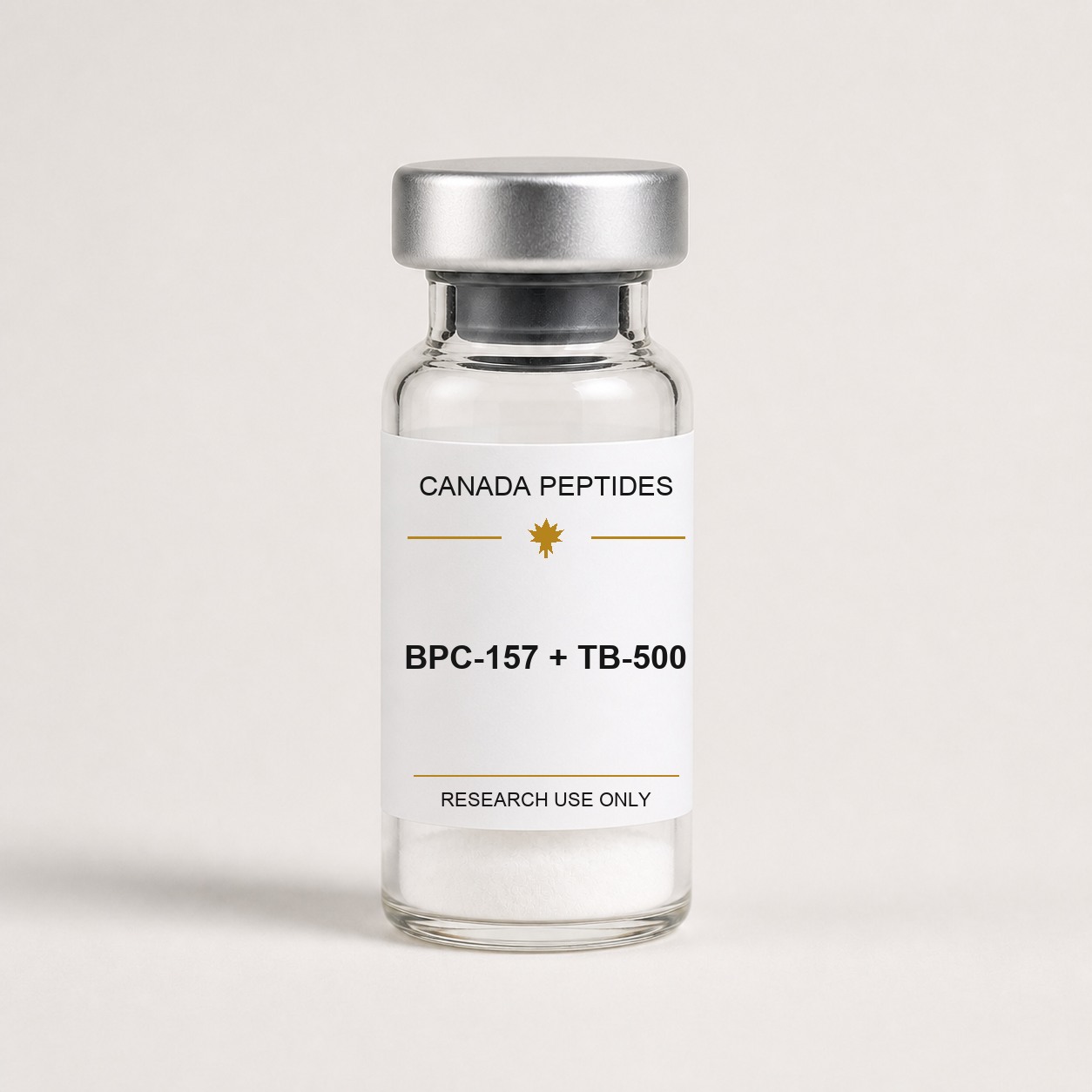
A 5 mg lyophilised vial reconstituted with 2 mL of bacteriostatic water yields 2.5 mg/mL; a 0.1 mL draw is then 250 µg, ten units on a U-100 insulin syringe. Change the diluent volume and every downstream number changes with it. Blends recalculate differently again — in a combined BPC-157 + TB-500 vial each component has its own mass, so per-draw content must be worked out per compound, not for the vial as a whole.
Our dosing math guide covers mg/mcg/IU conversion and volumetric calculation; reconstitution 101 covers diluent selection, concentration targets and lyophilised handling. Work from the vial's stated peptide content on the COA — not from a forum number, and not from an animal mg/kg figure scaled by bodyweight, which is not a valid conversion.
Regulatory status
BPC-157 has been prohibited at all times under the WADA Prohibited List since 2022, in category S0 (Non-Approved Substances); no therapeutic use exemption is available. It holds no marketing approval in any major jurisdiction. As of July 2026, FDA's Pharmacy Compounding Advisory Committee voted 8-6-1 to recommend adding BPC-157 to the 503A bulks list, against the agency's own briefing position — an advisory recommendation only, not a rule, and not an approval. Treat this section as time-stamped rather than settled.
Frequently asked questions
Is there an established human dose for BPC-157?
No. No adequately controlled human trial has established an effective dose. The published human record is three uncontrolled pilot studies across fewer than thirty subjects, none using a standardised preparation.
What dose ranges does the animal literature use?
Rat studies report activity across roughly 10 ng/kg to 10 µg/kg, usually once daily, by intraperitoneal, intragastric or topical routes. The width of that range argues against a simple dose-response relationship.
What is BPC-157's half-life?
Measured in animals, not humans. Intravenous elimination half-life was 15.2 minutes in rats and 5.27 minutes in dogs; intramuscular half-life was under 30 minutes in both (He et al., 2022). Reported biological effects last far longer than plasma exposure does.
Can I convert an animal mg/kg dose to a human dose?
Not by multiplying by bodyweight. Interspecies scaling requires surface-area correction and, even done properly, produces a starting point for a clinical trial rather than a protocol. BPC-157's own data show intramuscular bioavailability differing roughly three-fold between rats and dogs.
Does oral administration work?
The peptide is unusually stable in gastric juice and the animal literature does include intragastric administration. Human oral bioavailability has not been characterised. See our oral vs injectable discussion.