Endocrine & immune signalling
Foundational Peptides in Canada
3 compounds in stock
Foundational covers compounds studied at the upstream signalling level — the HPG axis, melanocortin receptors, and immune modulation — rather than a downstream performance endpoint. These sit apart from the other categories because their research context is the regulatory system itself. Priced and shipped in CAD, for laboratory and research use only.
Foundational — for sale
HPG-axis signalling
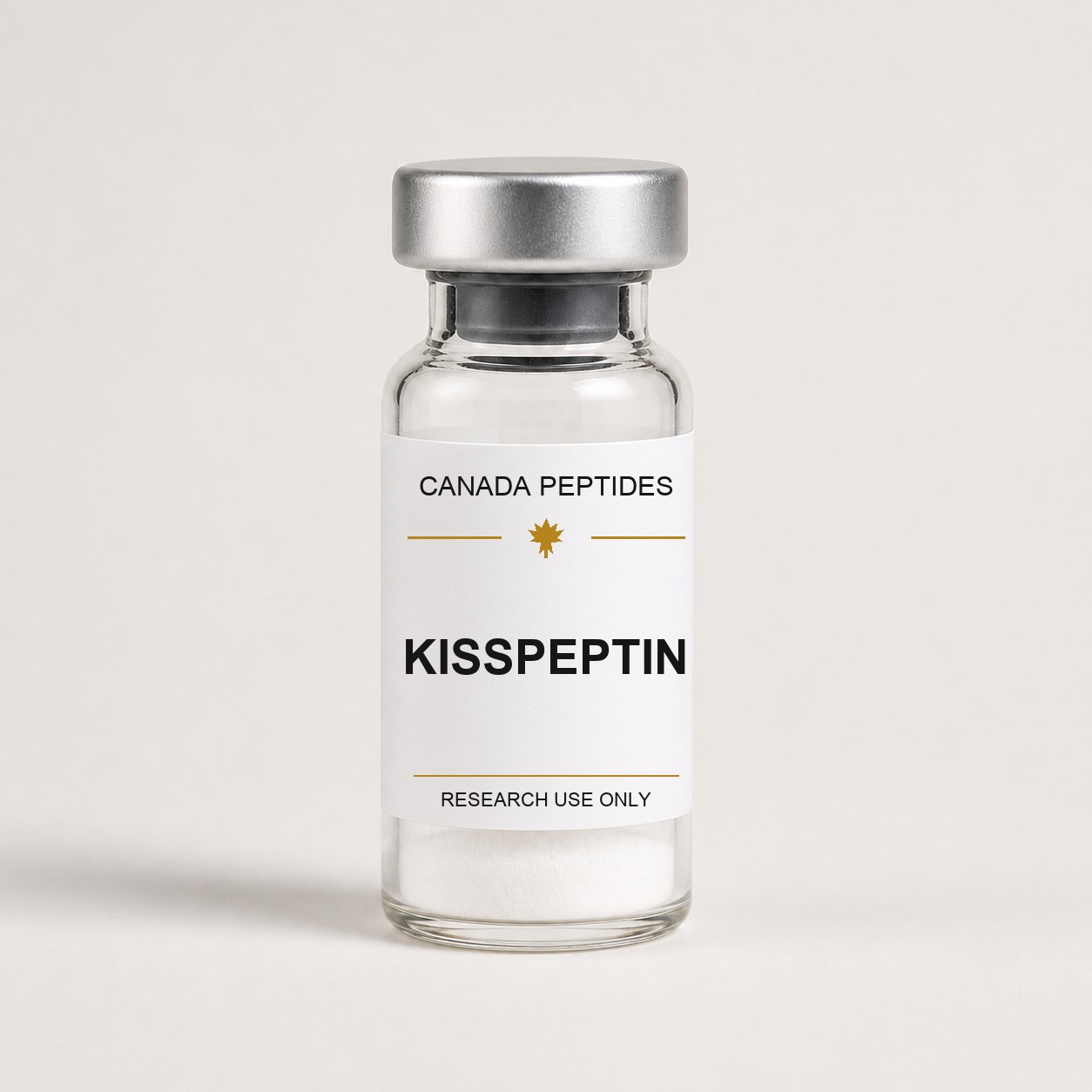
Kisspeptin sits at the top of the hypothalamic-pituitary-gonadal cascade, studied as an upstream regulator of GnRH release. That places it above the compounds it is usually grouped with — hCG, for instance, acts as an LH analogue further down the same axis.
Melanocortin receptor research
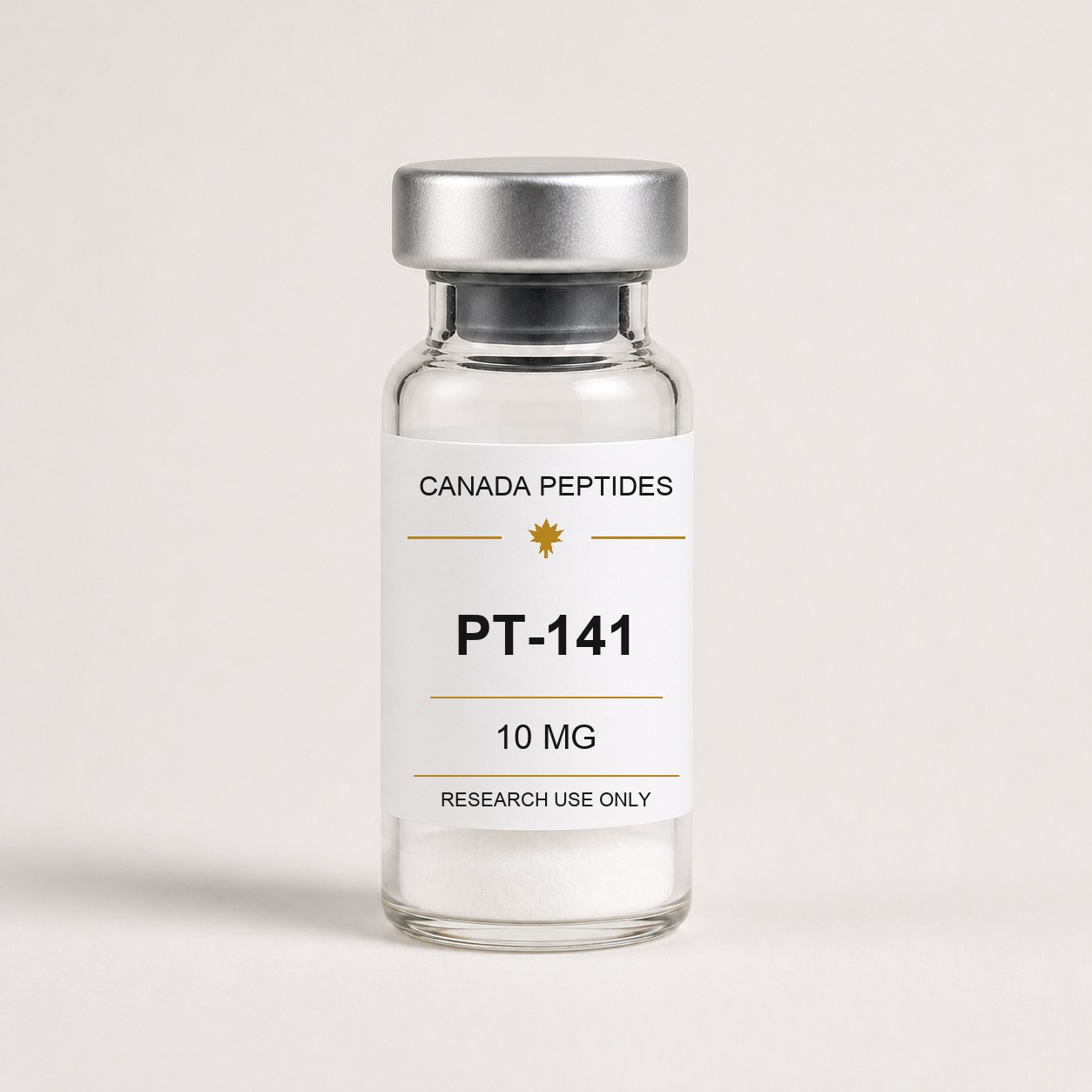
PT-141 (bremelanotide) is a melanocortin receptor agonist with MC4R selectivity, studied around central rather than peripheral signalling. It shares a receptor family with Melanotan 2 but differs in selectivity, which is why the two are catalogued separately rather than as variants of one compound.
Immune modulation
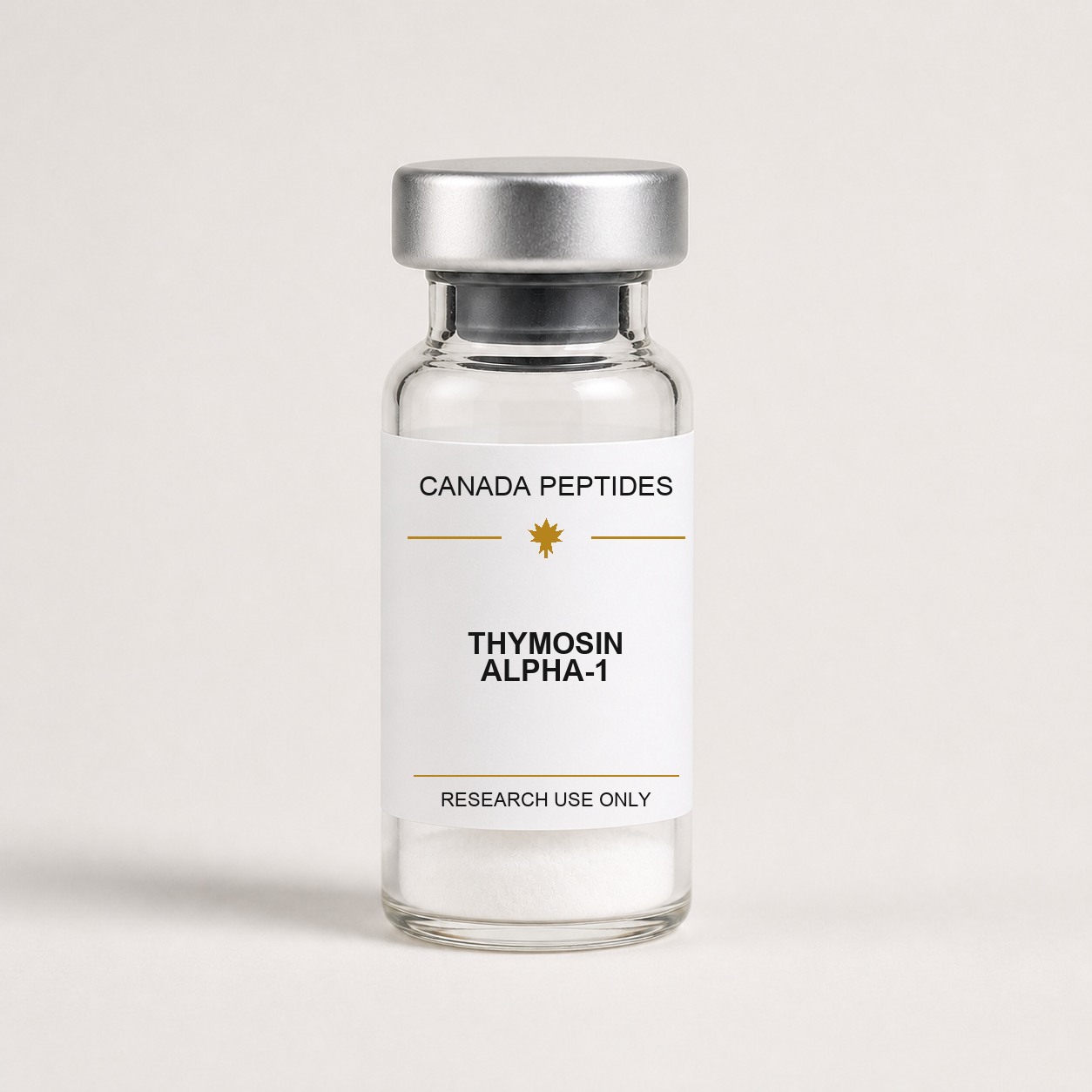
Thymosin alpha-1 is a thymic peptide studied around T-cell maturation and immune signalling. It is mechanistically unrelated to TB-500 despite the shared thymosin name — TB-500 is a thymosin-β4 fragment studied around actin remodelling and sits under recovery. The naming overlap is a common source of confusion.
Further reading
Thymosin alpha-1 side effects — what the research reports
Thymosin alpha-1 side effects by evidence tier: tolerability recorded in the thymalfasin trials and Zadaxin post-marketing record, the mechanistic cautions and the gaps for research-grade material.
Thymosin alpha-1 dosage — research dosing notes
What the thymalfasin trials and the Zadaxin label report about thymosin alpha-1 dosage: the 1.6 mg subcutaneous unit dose, its cadences, the 2-hour half-life and 5 mg vial arithmetic.
Kisspeptin side effects — what the research reports
Kisspeptin side effects by evidence tier: what several hundred volunteers in the human physiology and IVF studies showed, the predictable endocrine effects, tachyphylaxis, and the gaps.
Kisspeptin dosage — research dosing notes
What the human kisspeptin studies reported: kisspeptin-10 versus kisspeptin-54, intravenous and subcutaneous doses, the IVF-trigger trials, tachyphylaxis, and reconstitution math for a 10 mg vial.
PT-141 side effects — what the research reports
PT-141 side effects from the phase 3 bremelanotide trials and FDA label: nausea, flushing, transient blood pressure changes, focal hyperpigmentation, and where the data runs out.
PT-141 dosage — research dosing notes
What the literature reports on PT-141 dosage: the 1.75 mg subcutaneous regimen from the RECONNECT Phase 3 trials, the ~2.7-hour half-life, the eight-dose monthly ceiling, and reconstitution math for a 10 mg vial.
Foundational peptides FAQ
- What are foundational peptides?
- Foundational peptides are compounds studied at the upstream signalling level — endocrine axis regulation and immune modulation — rather than for a downstream performance endpoint. Kisspeptin, PT-141 and thymosin alpha-1 are the compounds catalogued here.
- Is thymosin alpha-1 related to TB-500?
- No, despite the shared name. Thymosin alpha-1 is a thymic peptide studied around T-cell maturation and immune signalling. TB-500 is a thymosin-β4 fragment studied around cell migration and actin remodelling, and is catalogued under recovery.
- How is PT-141 different from Melanotan 2?
- Both are melanocortin receptor agonists, but they differ in selectivity. PT-141 (bremelanotide) has MC4R selectivity and is studied around central signalling; Melanotan 2 is non-selective and is studied around melanogenesis, which places it in the skin category.
- Can I buy kisspeptin in Canada?
- Yes. Research-grade kisspeptin 10 mg is available from Canada Peptides, priced in CAD and shipped within Canada, for laboratory and research use only.
- Are these research use only?
- Yes. Everything in this category is supplied strictly for laboratory and research use. Nothing on this page is medical advice or a therapeutic claim.
Other categories
- CognitiveSemax, Selank, Cerebrolysin — neuropeptides studied around BDNF signalling and attention.
- EnergyMOTS-c and SLU-PP-332 — mitochondrial-derived signalling and ERR agonism.
- RecoveryBPC-157, TB-500, KPV and glutathione — angiogenic, cytoskeletal and anti-inflammatory pathways.
- SleepDSIP — the delta sleep-inducing peptide, studied around slow-wave sleep architecture.
- MetabolicRetatrutide, semaglutide, tirzepatide and more — GLP-1, GIP and glucagon receptor research.
- LongevityCJC-1295, ipamorelin, GHRP-2/6, epithalon and NAD+ — GH-axis and cellular-ageing research.
- SkinGHK-Cu, GLOW, KLOW and Melanotan 2 — copper-peptide and melanocortin research.
Research & educational use only. This page is informational and does not constitute medical advice or a therapeutic claim.