Dermal & melanocortin signalling
Skin Peptides in Canada
4 compounds in stock
The skin category covers two unrelated mechanisms: copper-peptide signalling studied around extracellular matrix remodelling, and melanocortin receptor agonism studied around pigmentation. The blends in this category combine dermal compounds with repair peptides, which is why their composition is worth reading before choosing one. Priced and shipped in CAD, for laboratory and research use only.
Skin — for sale
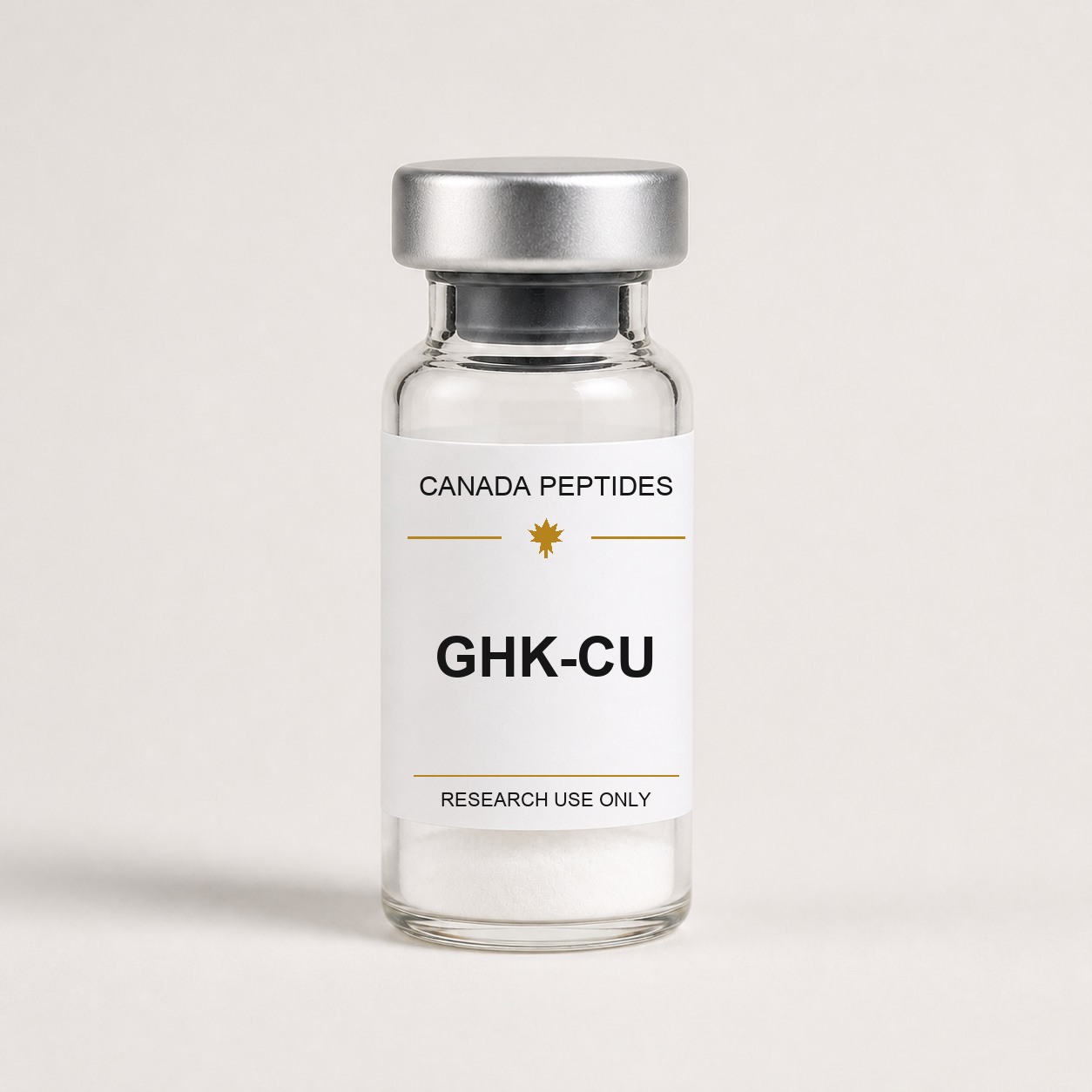
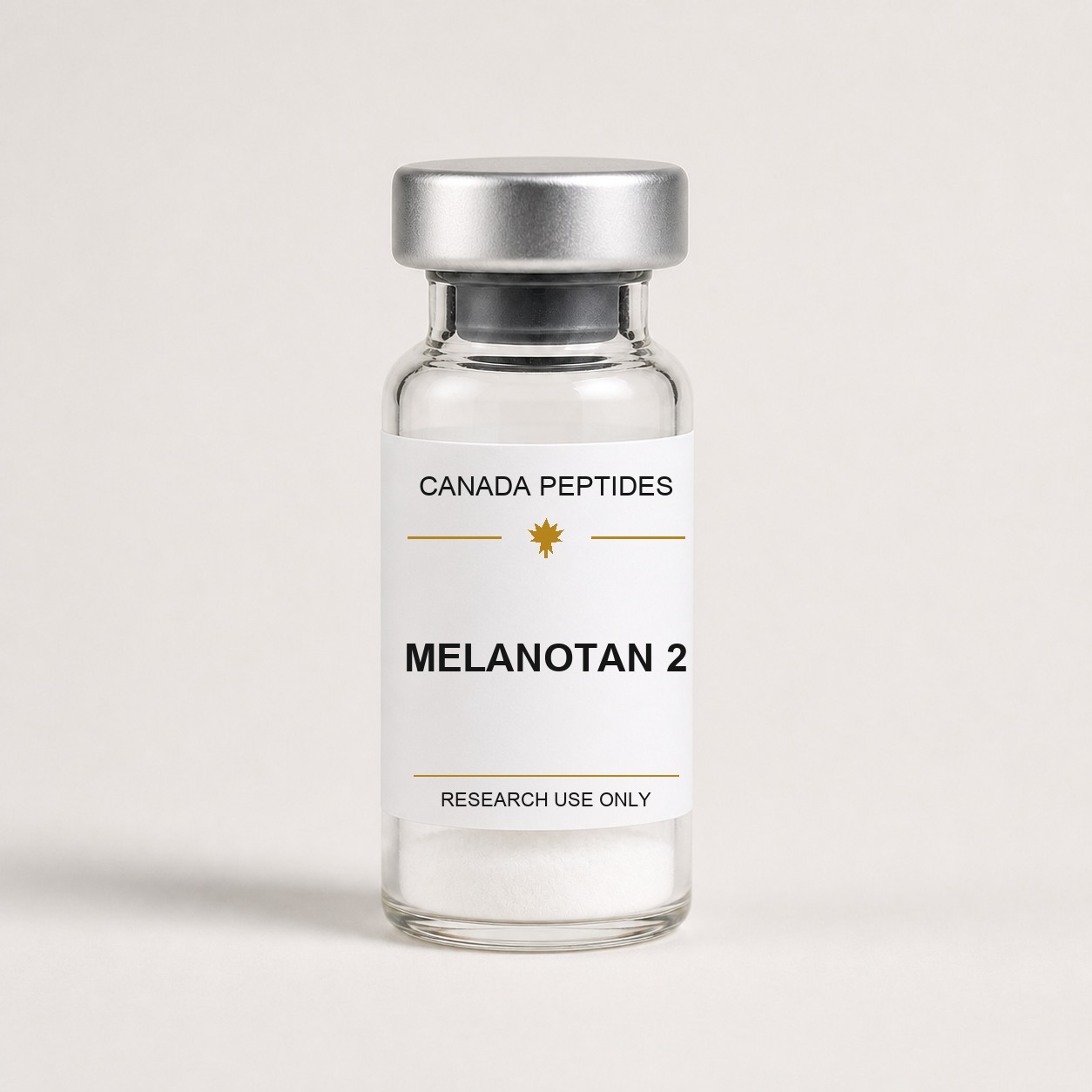
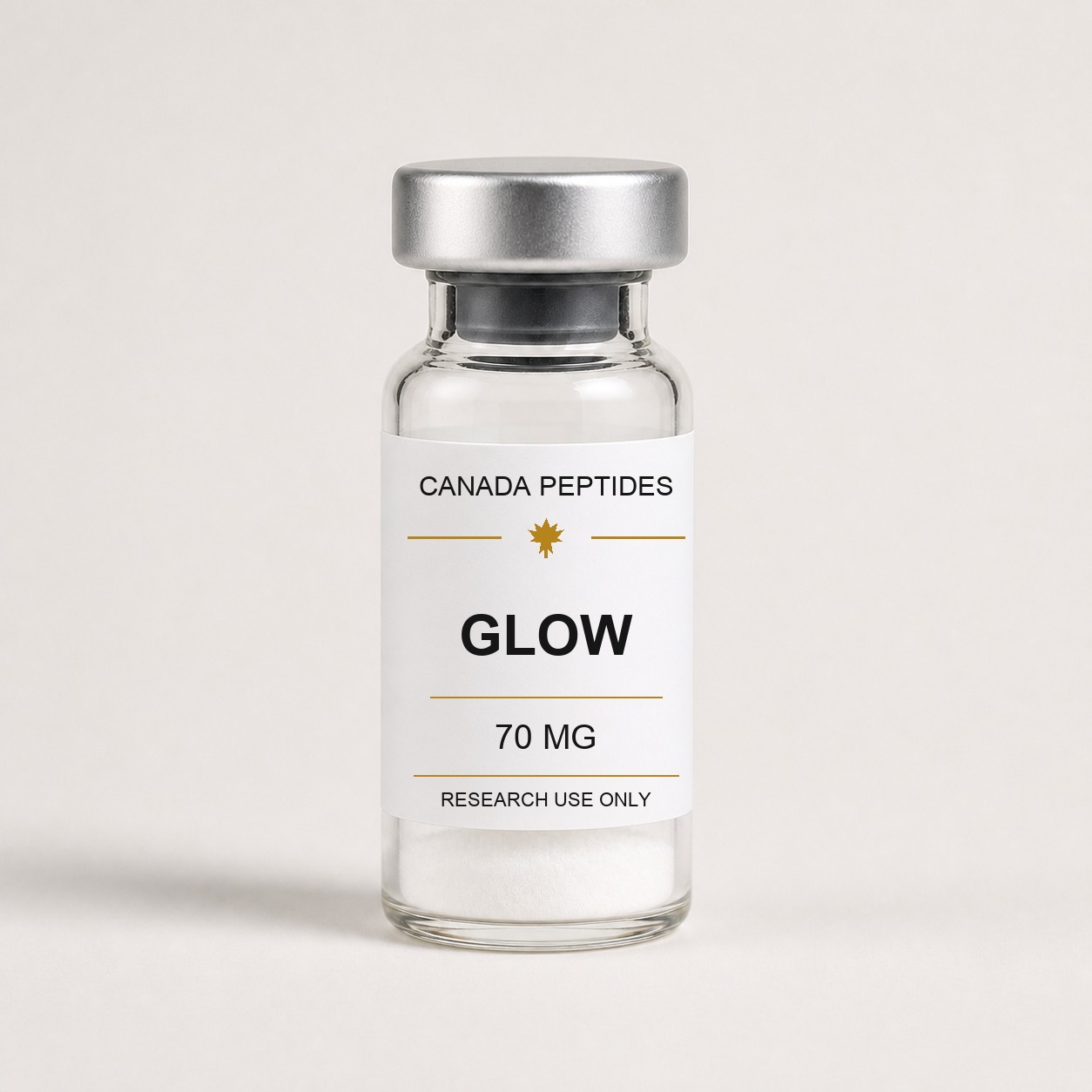
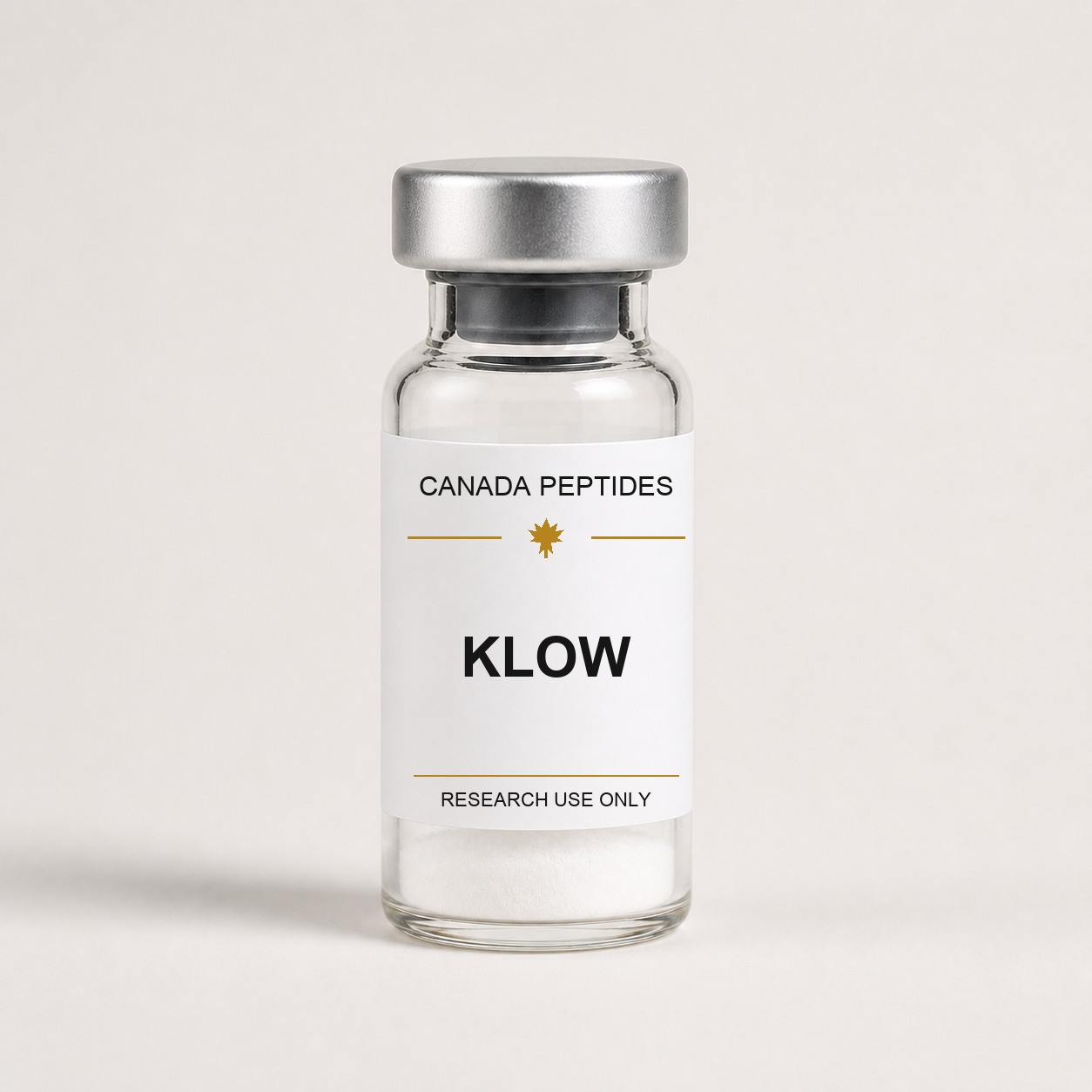
GHK-Cu and copper-peptide research
GHK-Cu is a naturally occurring copper-binding tripeptide, one of the most-studied compounds in dermal research. Interest centres on extracellular matrix remodelling and collagen signalling. It is the anchor compound for this category and appears in both blends below — see GHK-Cu dosage for handling specifics, noting that copper peptides have reconstitution considerations the standard guides don't cover.
GLOW and KLOW blends
The blends are where this category overlaps with recovery. GLOW combines GHK-Cu with BPC-157 and TB-500. KLOW adds KPV to that base, bringing the anti-inflammatory α-MSH pathway in. Both are single vials rather than separate compounds, so read the composition before assuming equivalence with the standalone products.
Melanocortin agonists
Melanotan 2 is a non-selective melanocortin receptor agonist studied around melanogenesis — a completely different mechanism from the copper peptides above. Because it is non-selective it also engages MC4R, which is why PT-141, a related melanocortin compound, sits in the foundational category. Melanocyte and skin peptides is the category primer.
Further reading
Melanotan II dosage — research dosing notes
What the University of Arizona studies report about Melanotan II dosage: 0.01–0.03 mg/kg subcutaneous in the 1990s trials, the ~1-hour half-life, and the reconstitution arithmetic for a 10 mg vial.
GHK-Cu side effects — what the research reports
What the literature actually reports about GHK-Cu side effects: the mild, transient local reactions from topical dermatology trials, copper hypersensitivity data, the copper-load arithmetic, and the missing injectable safety record.
Melanotan 2 side effects — what the research reports
What the published literature actually reports about Melanotan 2 side effects: the dose-limiting effects from the only human trial, the melanocytic and naevus signal, the systemic case reports, and the limits of the data.
GLOW blend — a research overview
The GLOW peptide blend combines GHK-Cu, BPC-157 and TB-500 in one vial. A research overview of what each component's literature actually supports — and what the blend itself has never been studied for.
KLOW blend — a research overview
The KLOW peptide blend combines GHK-Cu, BPC-157, TB-500 and KPV in one vial. A research overview of what each component's literature supports — and what the blend itself has never been studied for.
GHK-Cu dosage — research dosing notes
A research overview of GHK-Cu dosage: the 0.1–2% topical concentrations used in published trials, the preclinical injected figures, the short circulating half-life, and reconstitution math for lyophilized vials. Literature summary only, not medical advice.
Skin peptides FAQ
- What is GHK-Cu?
- GHK-Cu is a naturally occurring copper-binding tripeptide (glycyl-L-histidyl-L-lysine complexed with copper). It is studied in dermal research contexts around extracellular matrix remodelling and collagen signalling.
- What is the difference between GLOW and KLOW?
- GLOW combines GHK-Cu with BPC-157 and TB-500. KLOW adds KPV to that base, bringing an anti-inflammatory α-MSH pathway into the blend. Both are supplied as single vials.
- Can I buy GHK-Cu in Canada?
- Yes. Research-grade GHK-Cu is available from Canada Peptides, standalone and within the GLOW and KLOW blends, priced in CAD and shipped within Canada, for research use only.
- How is Melanotan 2 different from GHK-Cu?
- Entirely different mechanisms. GHK-Cu is a copper-binding tripeptide studied around matrix remodelling. Melanotan 2 is a non-selective melanocortin receptor agonist studied around melanogenesis. They share a category label, not a pathway.
- Are skin peptides research use only?
- Yes. Everything in this category is supplied strictly for laboratory and research use. Nothing on this page is medical advice, a cosmetic claim, or a therapeutic claim.
Other categories
- CognitiveSemax, Selank, Cerebrolysin — neuropeptides studied around BDNF signalling and attention.
- EnergyMOTS-c and SLU-PP-332 — mitochondrial-derived signalling and ERR agonism.
- RecoveryBPC-157, TB-500, KPV and glutathione — angiogenic, cytoskeletal and anti-inflammatory pathways.
- SleepDSIP — the delta sleep-inducing peptide, studied around slow-wave sleep architecture.
- MetabolicRetatrutide, semaglutide, tirzepatide and more — GLP-1, GIP and glucagon receptor research.
- LongevityCJC-1295, ipamorelin, GHRP-2/6, epithalon and NAD+ — GH-axis and cellular-ageing research.
- FoundationalKisspeptin, PT-141 and thymosin alpha-1 — upstream endocrine and immune signalling.
Research & educational use only. This page is informational and does not constitute medical advice or a therapeutic claim.