Nootropic & neuropeptides
Cognitive Peptides in Canada
7 compounds in stock
Cognitive peptides are short neuropeptide sequences studied in research contexts around neurotrophic signalling, attention, and stress response. Most of the compounds in this category came out of Russian neuropeptide research programs — Semax and Selank are both fragments engineered from endogenous sequences for greater metabolic stability. Canada Peptides carries this category priced and shipped in CAD, for laboratory and research use only.
Cognitive — for sale
What makes a peptide 'nootropic'
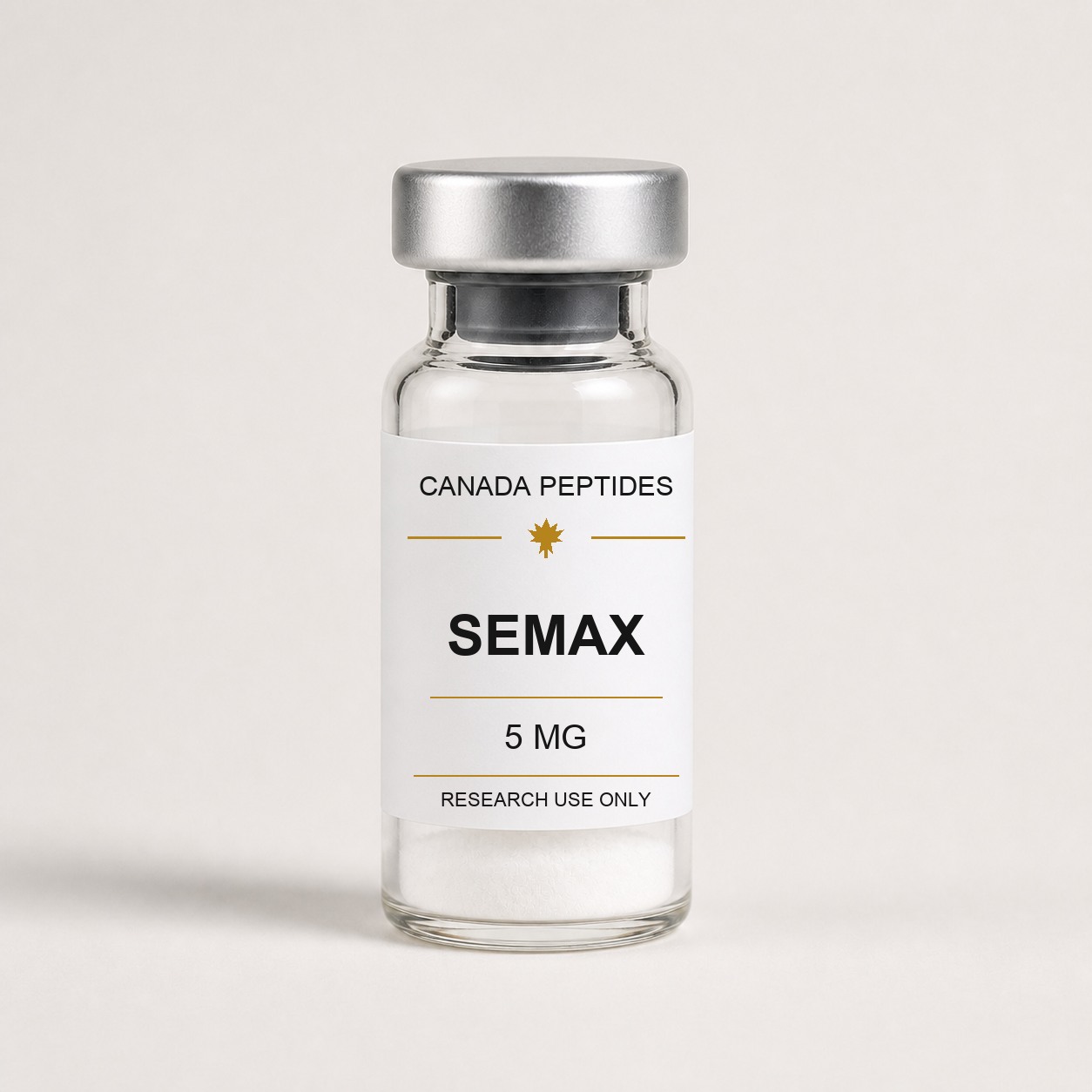
In research literature the label covers peptides studied for effects on neurotrophic factors — BDNF and NGF in particular — rather than a shared receptor target. Semax is an ACTH(4-10) fragment studied around BDNF expression and neuroprotection. Selank is a tuftsin analogue investigated on the anxiolytic side, around GABAergic and monoamine signalling. Because the two are studied for adjacent but distinct pathways, they are frequently researched together — see Semax vs Selank for how they differ.
Cerebrolysin and peptide fractions
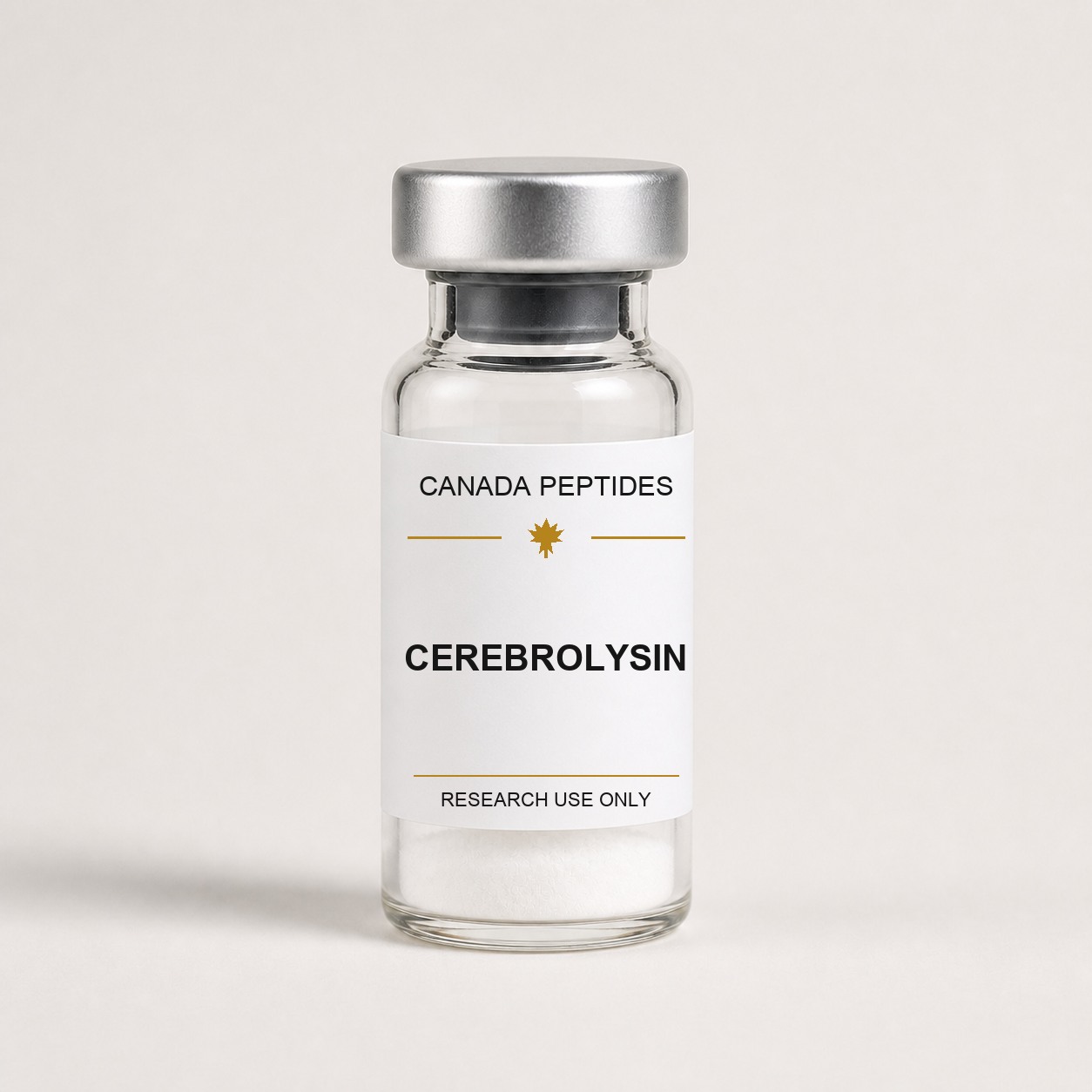
Cerebrolysin sits apart from the single-sequence peptides here: it is a neurotrophic peptide fraction rather than one defined molecule, which changes how it is characterized and handled in research settings. It is stocked in this category because the research context — neurotrophic signalling — is the same.
Formats and handling
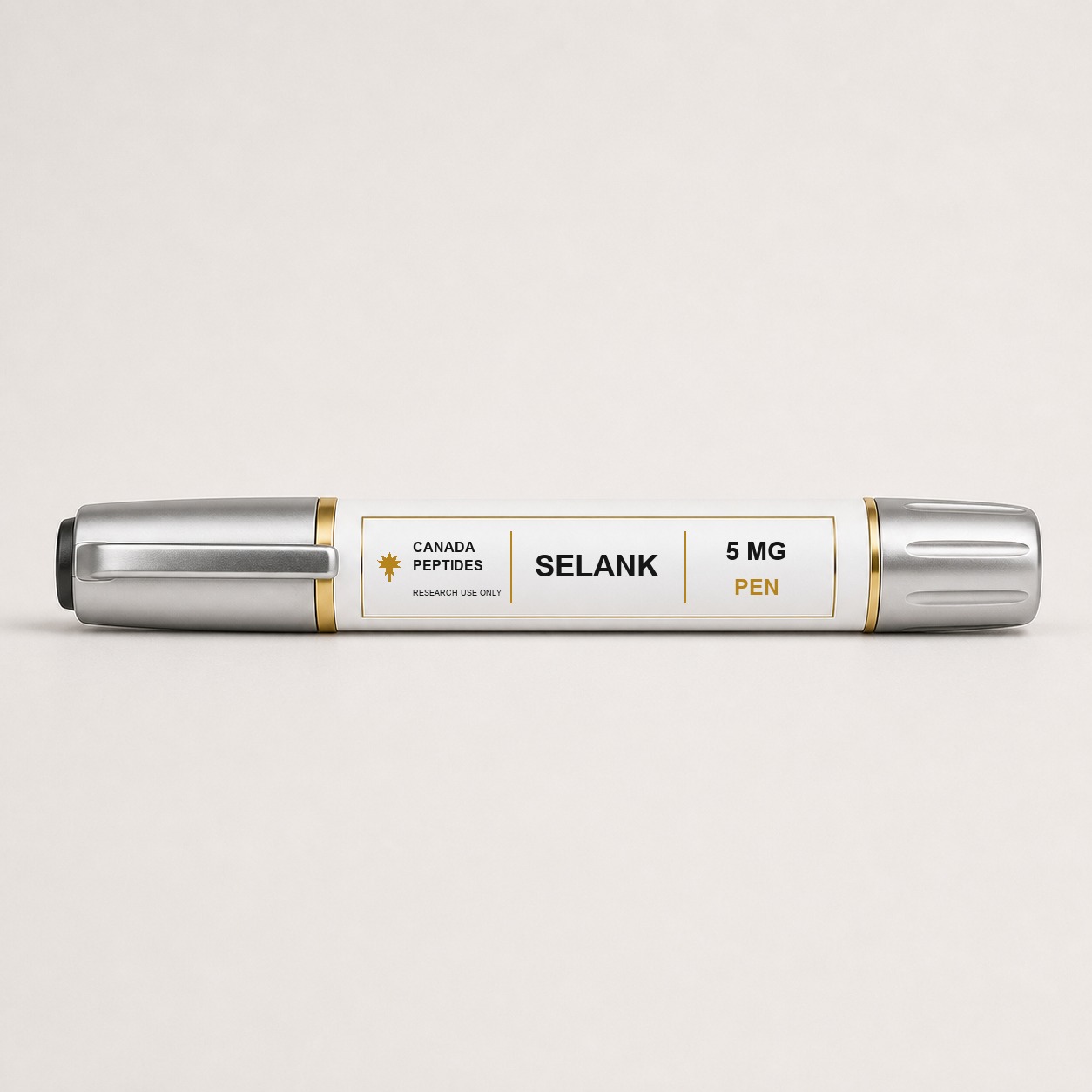
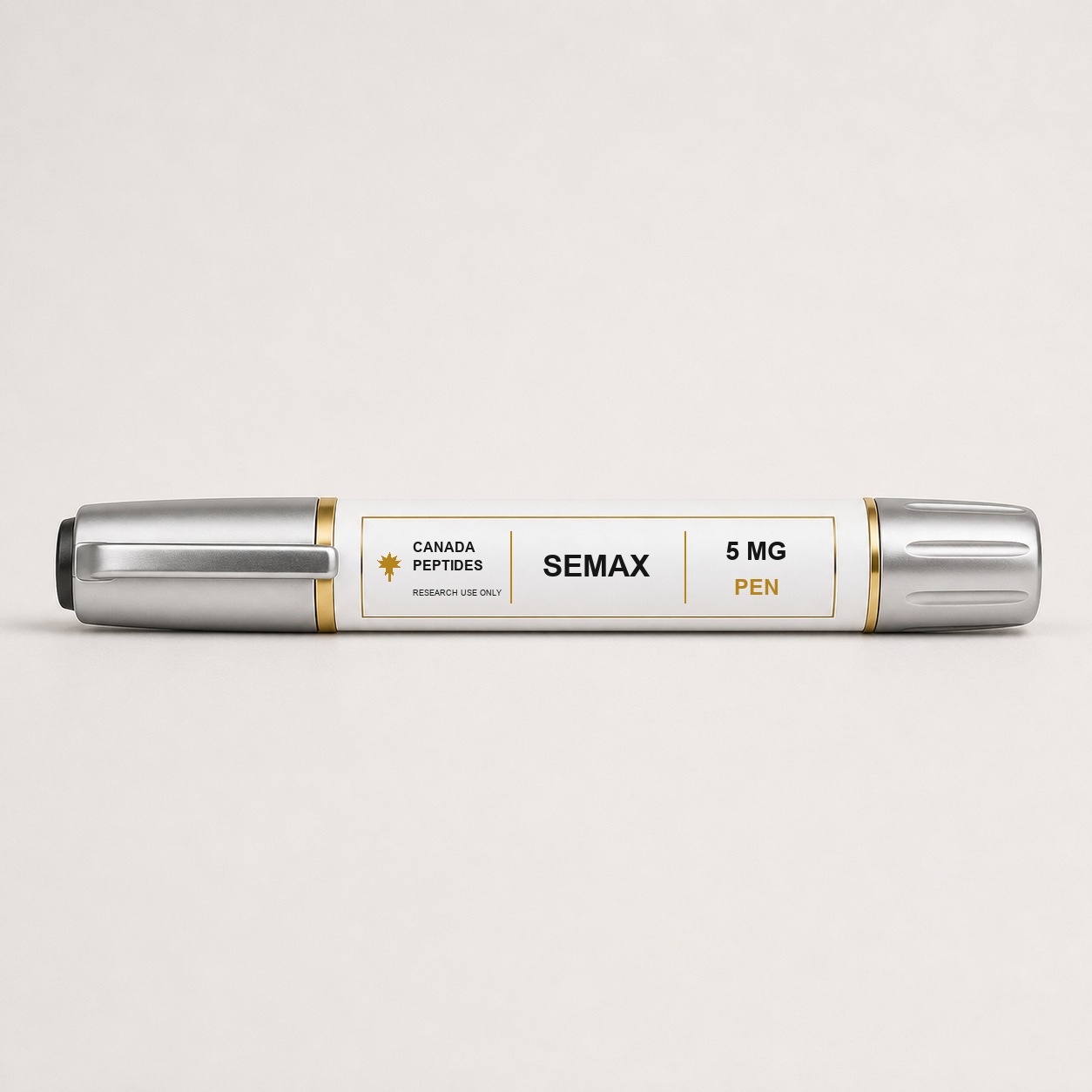
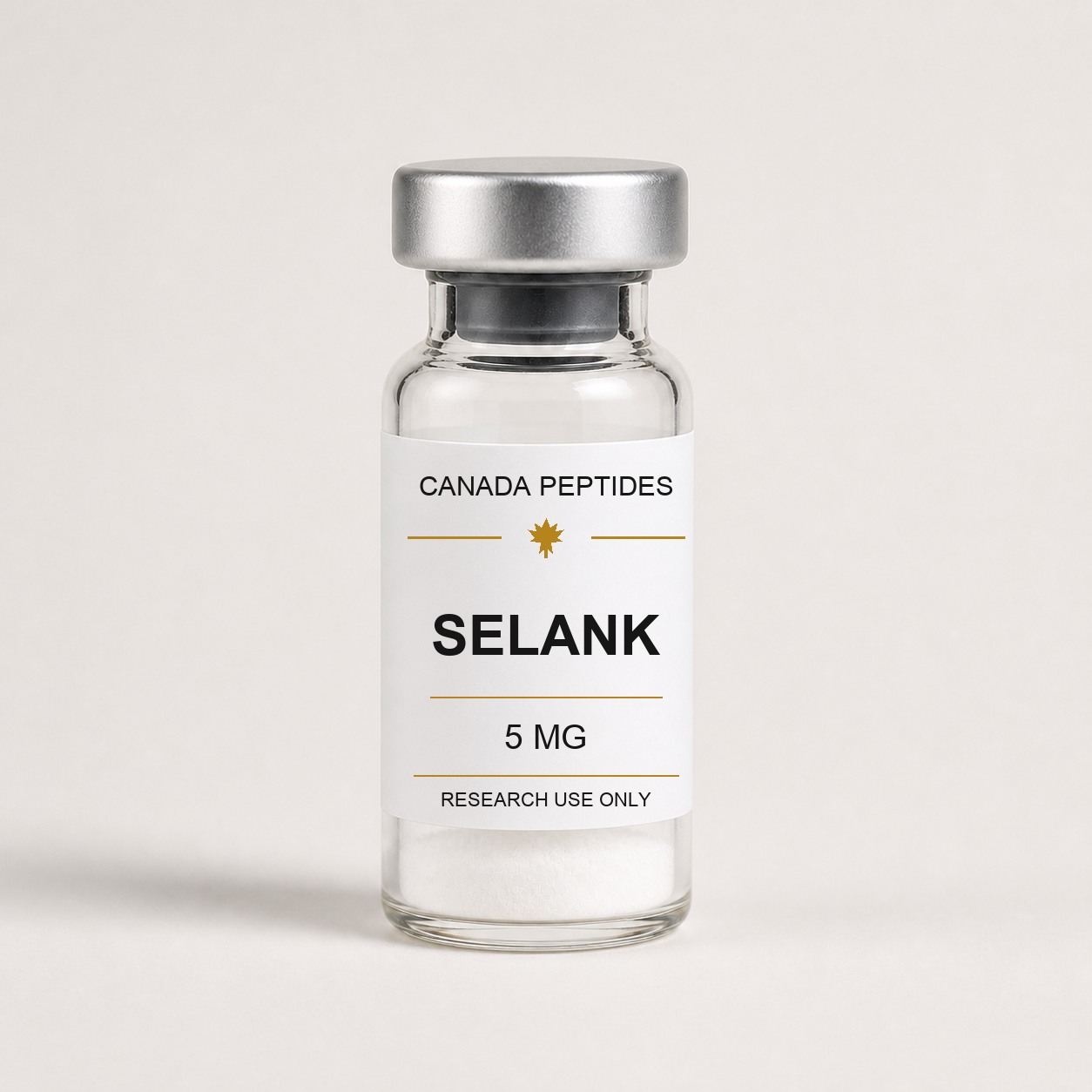
This category is available as standard lyophilized vials and, for Semax and Selank, as reloadable 3 mL peptide pens. Intranasal and subcutaneous routes both appear in the literature for this class, which affects reconstitution volume — the dosing-math guide and reconstitution 101 cover the arithmetic, and the dosage calculator does it for you.
Further reading
Selank side effects — what the research reports
Selank side effects by evidence tier: what the Russian anxiety trials recorded against benzodiazepine comparators, the sedation and dependence claims, the immune thread, and what is untested.
Semax side effects — what the research reports
Semax side effects by evidence tier: what the Russian registration label and clinical series describe, what rodent work adds, the uncontrolled reports, and the gaps a Western trial would fill.
Cerebrolysin side effects — what the research reports
Cerebrolysin side effects by evidence tier: the Cochrane finding of increased serious adverse events after stroke, the labelled reaction profile, rapid-injection effects and the gaps.
Cerebrolysin dosage — research dosing notes
How the Cerebrolysin trials administered it: 30 mL IV daily for 10 days in CASTA, 21 days in CARS, the dementia and TBI regimens, the labelled routes, and why there is no reconstitution or half-life.
Selank dosage — research dosing notes
What the published literature reports on selank dosage: the 300 µg/kg rodent reference dose, the intranasal clinical record, half-life context, and reconstitution math for a 5 mg vial. Research reference only.
Cerebrolysin — a research overview
A research overview of the cerebrolysin peptide preparation: what the porcine brain hydrolysate actually is, what its mechanism claims do and don't support, and how its contested stroke, vascular dementia and TBI trial data reads.
Cognitive peptides FAQ
- What are nootropic peptides?
- Nootropic peptides are short amino-acid sequences studied in research contexts around cognition-related signalling — most often neurotrophic factors such as BDNF, plus monoamine and GABAergic pathways. Semax and Selank are the two most-studied examples. The term describes a research area, not an approved drug class.
- Can I buy nootropic peptides in Canada?
- Yes. Canada Peptides stocks research-grade Semax, Selank, the Semax + Selank blend and Cerebrolysin, priced in CAD and shipped within Canada. They are supplied strictly for laboratory and research use.
- What is the difference between Semax and Selank?
- Semax is an ACTH(4-10) fragment studied around BDNF expression, neuroprotection and attention. Selank is a tuftsin analogue studied on the anxiolytic side, around GABAergic and monoamine signalling. They target different pathways, which is why a combined Semax + Selank blend exists.
- Are cognitive peptides sold as blends?
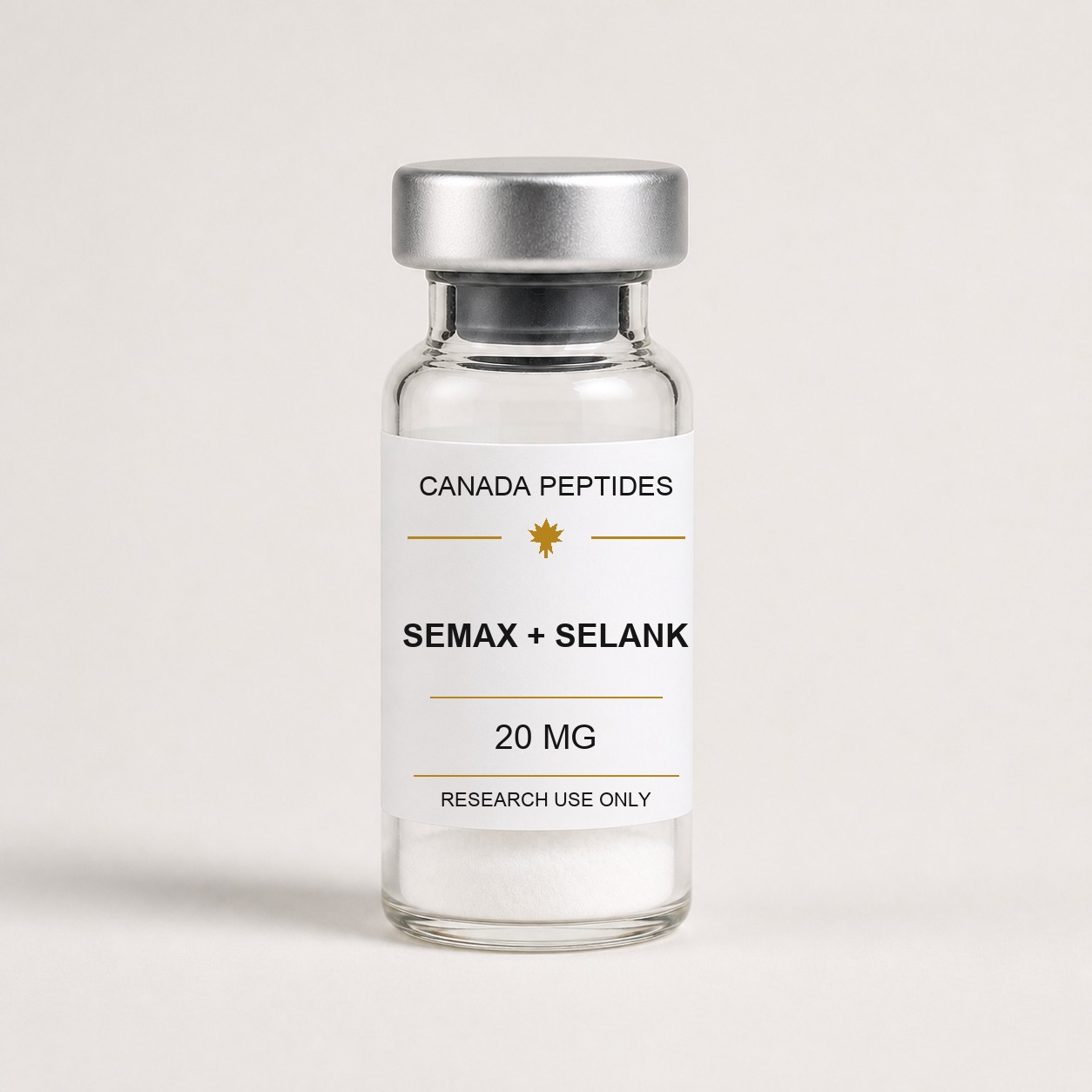
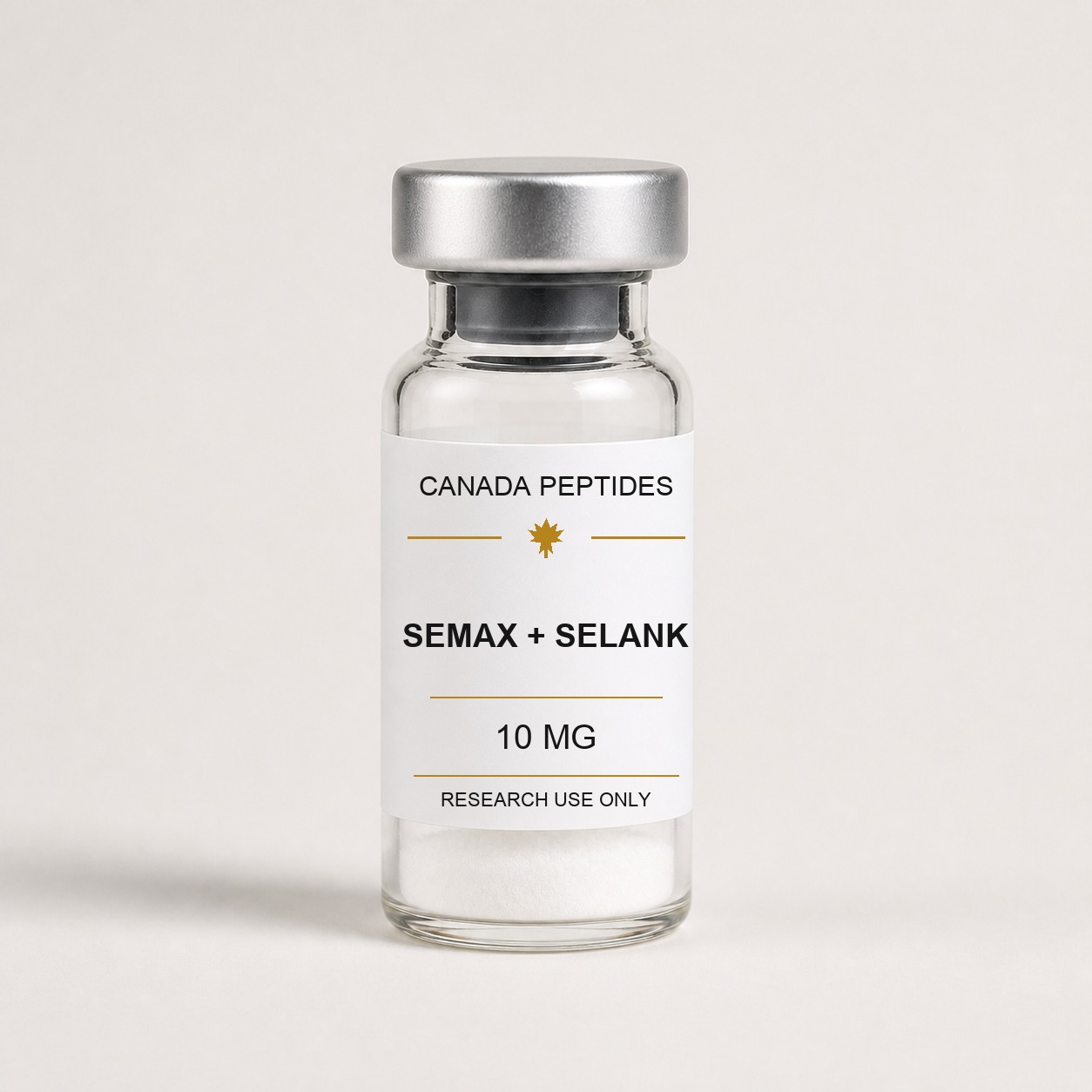
- Yes. A Semax + Selank blend is stocked at 10 mg and 20 mg alongside the standalone 5 mg vials, for research protocols that examine both sequences together.
- Are these peptides research use only?
- Yes. Everything in this category is supplied strictly for laboratory and research use. Nothing on this page is medical advice or a therapeutic claim.
Other categories
- EnergyMOTS-c and SLU-PP-332 — mitochondrial-derived signalling and ERR agonism.
- RecoveryBPC-157, TB-500, KPV and glutathione — angiogenic, cytoskeletal and anti-inflammatory pathways.
- SleepDSIP — the delta sleep-inducing peptide, studied around slow-wave sleep architecture.
- MetabolicRetatrutide, semaglutide, tirzepatide and more — GLP-1, GIP and glucagon receptor research.
- LongevityCJC-1295, ipamorelin, GHRP-2/6, epithalon and NAD+ — GH-axis and cellular-ageing research.
- SkinGHK-Cu, GLOW, KLOW and Melanotan 2 — copper-peptide and melanocortin research.
- FoundationalKisspeptin, PT-141 and thymosin alpha-1 — upstream endocrine and immune signalling.
Research & educational use only. This page is informational and does not constitute medical advice or a therapeutic claim.