Tissue repair & inflammatory signalling
Recovery Peptides in Canada
7 compounds in stock
Recovery is the most-researched peptide category and the one with the clearest mechanistic split: angiogenic signalling, actin remodelling, and inflammatory modulation are three separate pathways that get grouped under one commercial label. Canada Peptides stocks all three, plus the standard antioxidant. Priced and shipped in CAD, for laboratory and research use only.
Recovery — for sale
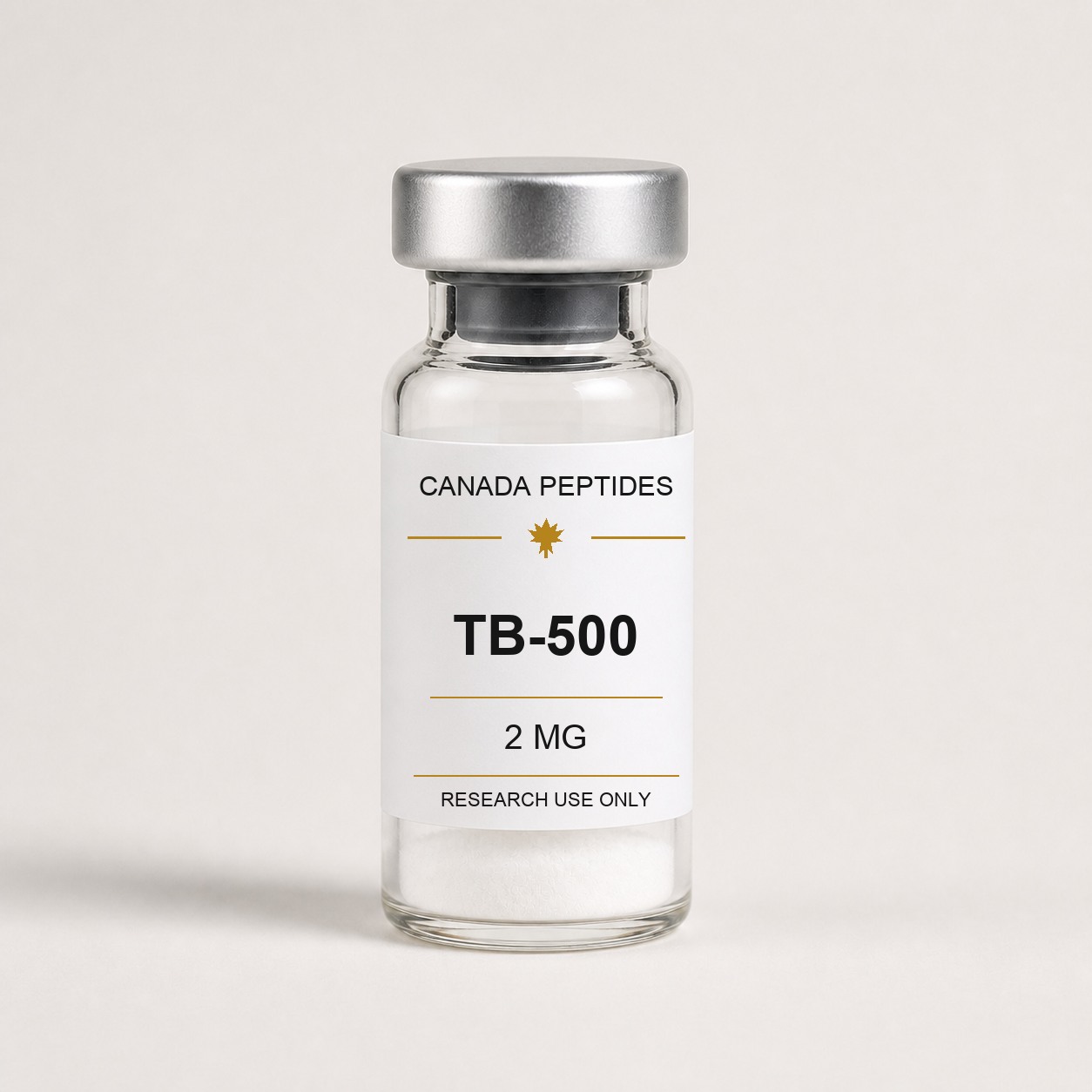
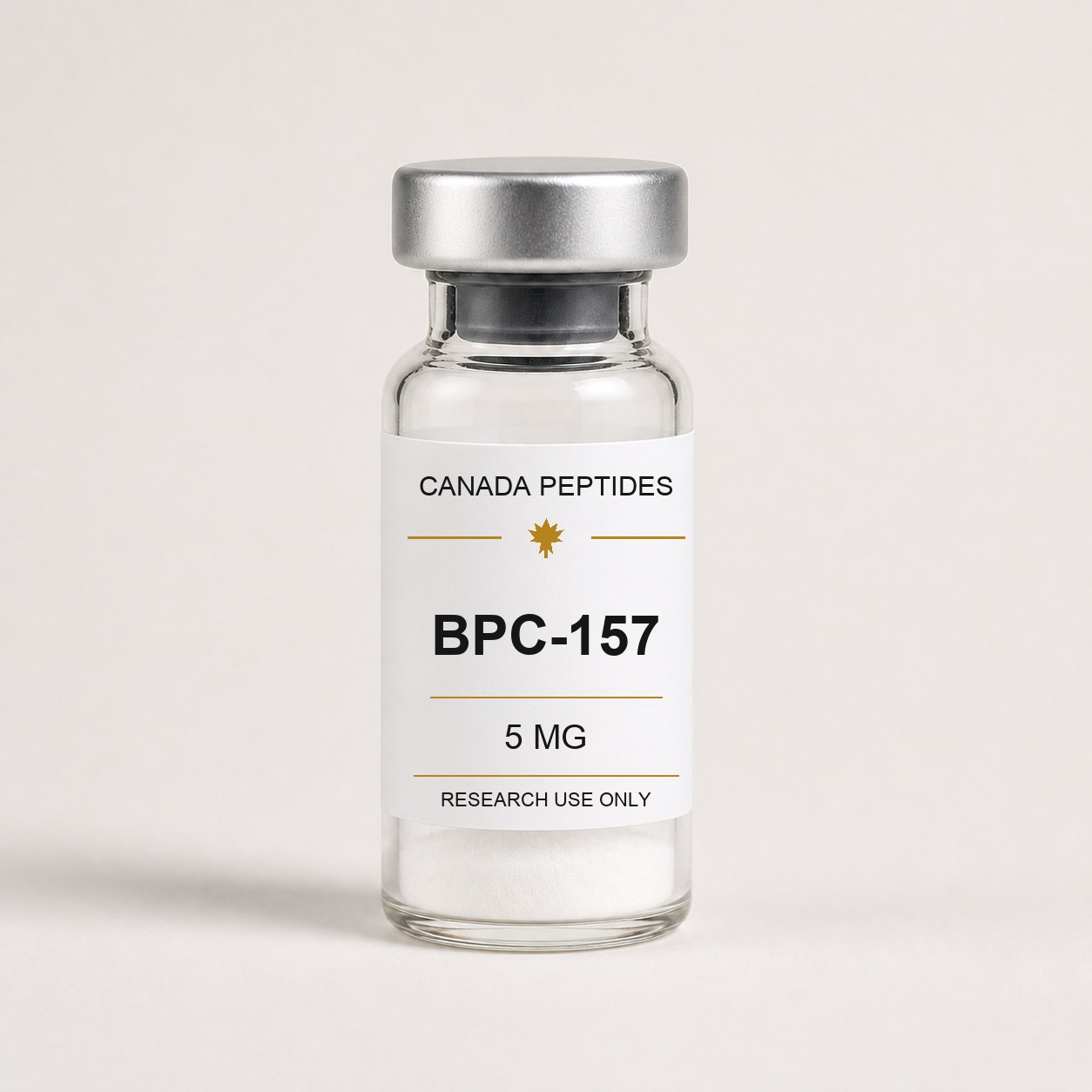
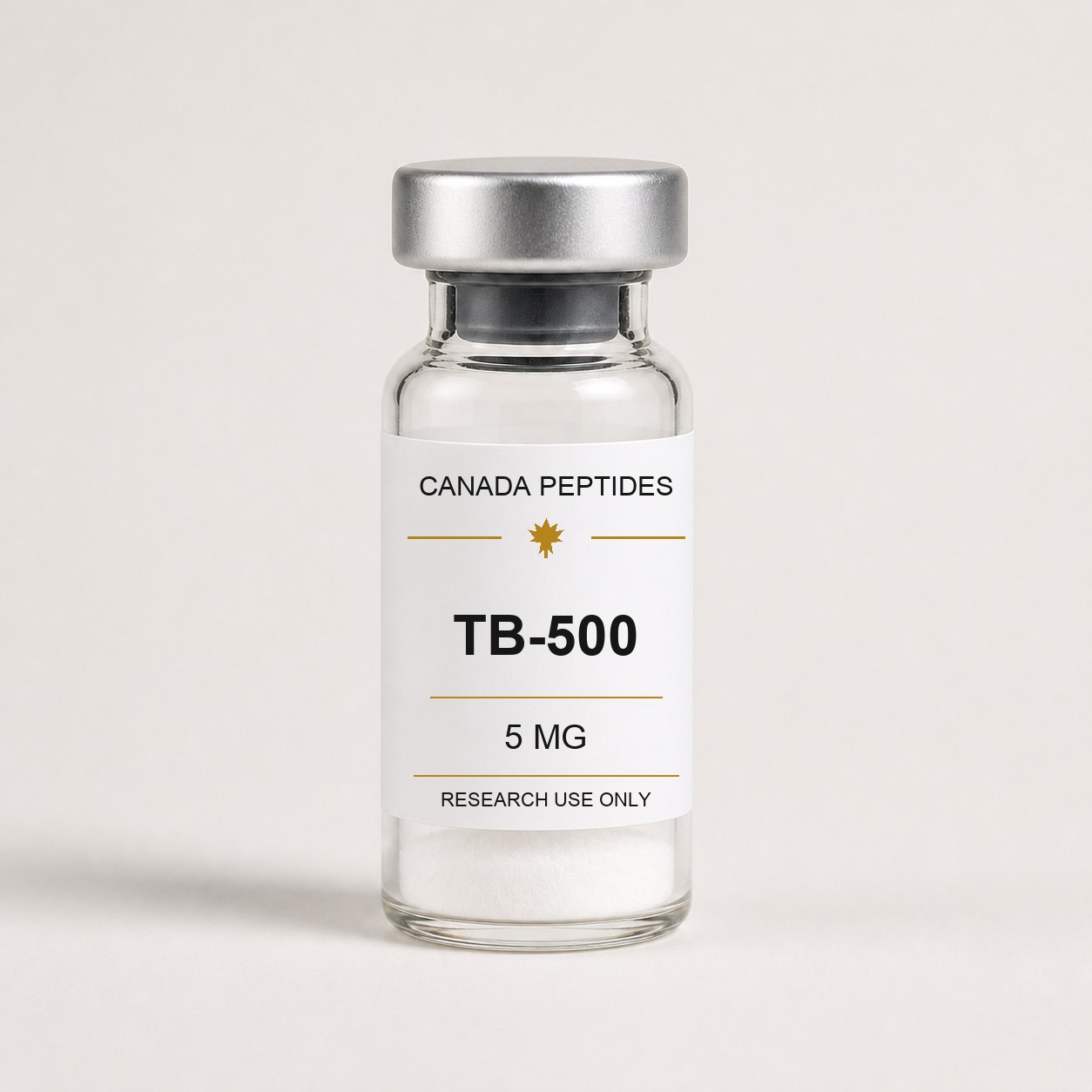
The three repair pathways
BPC-157 is a synthetic pentadecapeptide studied around angiogenesis — new blood-vessel formation — and cytokine signalling. TB-500, a thymosin-β4 fragment, is studied around cell migration and actin remodelling. KPV is an α-MSH tripeptide studied on the anti-inflammatory side. Different pathways, which is why they appear together in protocols rather than as substitutes — the BPC-157 vs TB-500 comparison breaks the first two down directly.
Blends and stacking
Because BPC-157 and TB-500 are studied for complementary pathways, the BPC-157 + TB-500 blend exists as a single vial. The recovery stack protocol sets out how these are combined in research designs, and stacking fundamentals covers the general reasoning.
Supporting compounds
Glutathione is stocked here as the principal endogenous antioxidant — redox rather than repair, but routinely studied alongside this category. HGH Fragment 176-191 sits at the boundary with metabolic; it is a C-terminal fragment of growth hormone studied around lipolysis rather than tissue repair.
Dosing and handling
Subcutaneous administration dominates the research protocols in this category. Dosing math, reconstitution 101 and subcutaneous injection technique cover the handling; compound-specific figures are on each product page and in the BPC-157 dosage and TB-500 dosage write-ups. Research context only — not a dosing recommendation for human use.
Further reading
Glutathione side effects — what the research reports
Glutathione side effects by evidence tier: what oral, intravenous, intranasal and inhaled trials recorded, the regulatory alerts on unapproved IV use, and why the vial matters as much as the molecule.
KPV side effects — what the research reports
KPV side effects by evidence tier: no human safety data exists, what the mouse colitis and skin studies did and did not look for, mechanistic considerations, purity as a confound and Canadian status.
KPV dosage — research dosing notes
What the literature reports about KPV dosage: the oral, intraperitoneal and topical amounts used in mouse colitis and skin models, why there is no human dosing data, and 10 mg vial arithmetic.
TB-500 side effects — what the research reports
TB-500 side effects, separated by evidence tier: what the human thymosin β4 trials actually recorded, what uncontrolled self-report adds, and the gaps neither covers.
Glutathione dosage — research dosing notes
What the literature reports on glutathione dosage: the ~14-minute intravenous half-life, the 600 mg and 1,400 mg IV Parkinson's protocols, the six-month oral dose-response trial, and reconstitution math for a 600 mg vial.
BPC-157 dosage — research dosing notes
A literature review of BPC-157 dosage: the animal dose ranges actually studied, the measured pharmacokinetics in rats and dogs, and why no human dose has been established. Research use only.
Recovery peptides FAQ
- What are recovery peptides?
- Recovery peptides are sequences studied in research contexts around tissue repair and inflammatory signalling. The main pathways are angiogenesis (BPC-157), actin remodelling and cell migration (TB-500), and anti-inflammatory α-MSH signalling (KPV).
- Where can I buy recovery peptides in Canada?
- Canada Peptides stocks research-grade BPC-157, TB-500 (2 mg and 5 mg), the BPC-157 + TB-500 blend, KPV, glutathione and HGH Fragment 176-191 — priced in CAD, shipped within Canada, for research use only.
- BPC-157 or TB-500 — which is studied for what?
- BPC-157 is studied around angiogenic and cytokine signalling; TB-500, a thymosin-β4 fragment, around cell migration and actin remodelling. They are researched for complementary rather than competing pathways, which is why the combined blend exists.
- Are recovery peptides sold as blends?
- Yes. A BPC-157 + TB-500 repair blend is stocked as a single vial alongside the standalone compounds.
- Are these research use only?
- Yes. Everything in this category is supplied strictly for laboratory and research use. Nothing on this page is medical advice or a therapeutic claim.
Other categories
- CognitiveSemax, Selank, Cerebrolysin — neuropeptides studied around BDNF signalling and attention.
- EnergyMOTS-c and SLU-PP-332 — mitochondrial-derived signalling and ERR agonism.
- SleepDSIP — the delta sleep-inducing peptide, studied around slow-wave sleep architecture.
- MetabolicRetatrutide, semaglutide, tirzepatide and more — GLP-1, GIP and glucagon receptor research.
- LongevityCJC-1295, ipamorelin, GHRP-2/6, epithalon and NAD+ — GH-axis and cellular-ageing research.
- SkinGHK-Cu, GLOW, KLOW and Melanotan 2 — copper-peptide and melanocortin research.
- FoundationalKisspeptin, PT-141 and thymosin alpha-1 — upstream endocrine and immune signalling.
Research & educational use only. This page is informational and does not constitute medical advice or a therapeutic claim.