Incretin & metabolic signalling
Metabolic Peptides in Canada
10 compounds in stock
The metabolic category is where incretin research sits: GLP-1, GIP and glucagon receptor agonists, plus the GHRH and monoamine compounds studied around body-composition endpoints. It is the deepest category in the catalogue, and the one where mechanism differences matter most when choosing a compound. Priced and shipped in CAD, for laboratory and research use only.
Metabolic — for sale
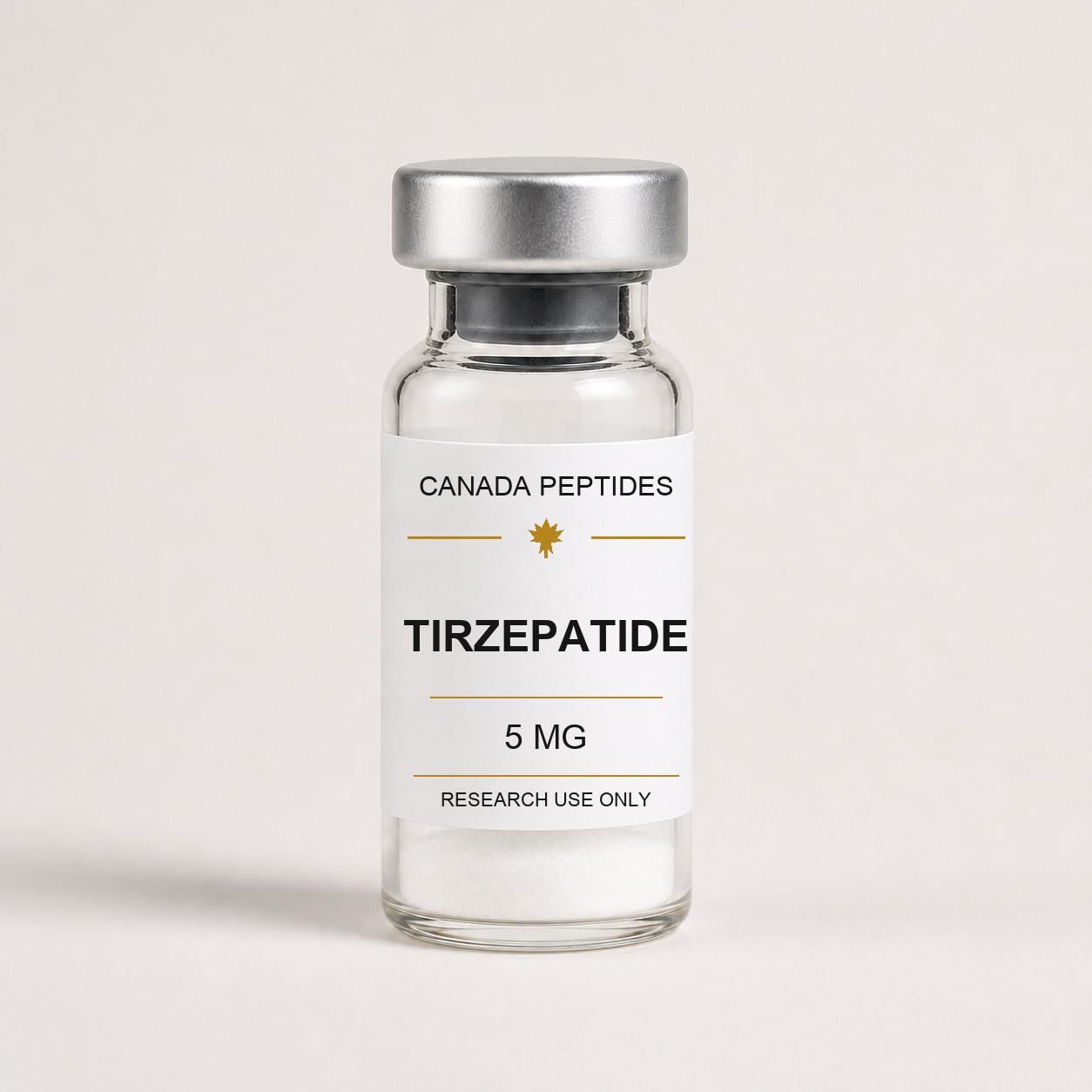
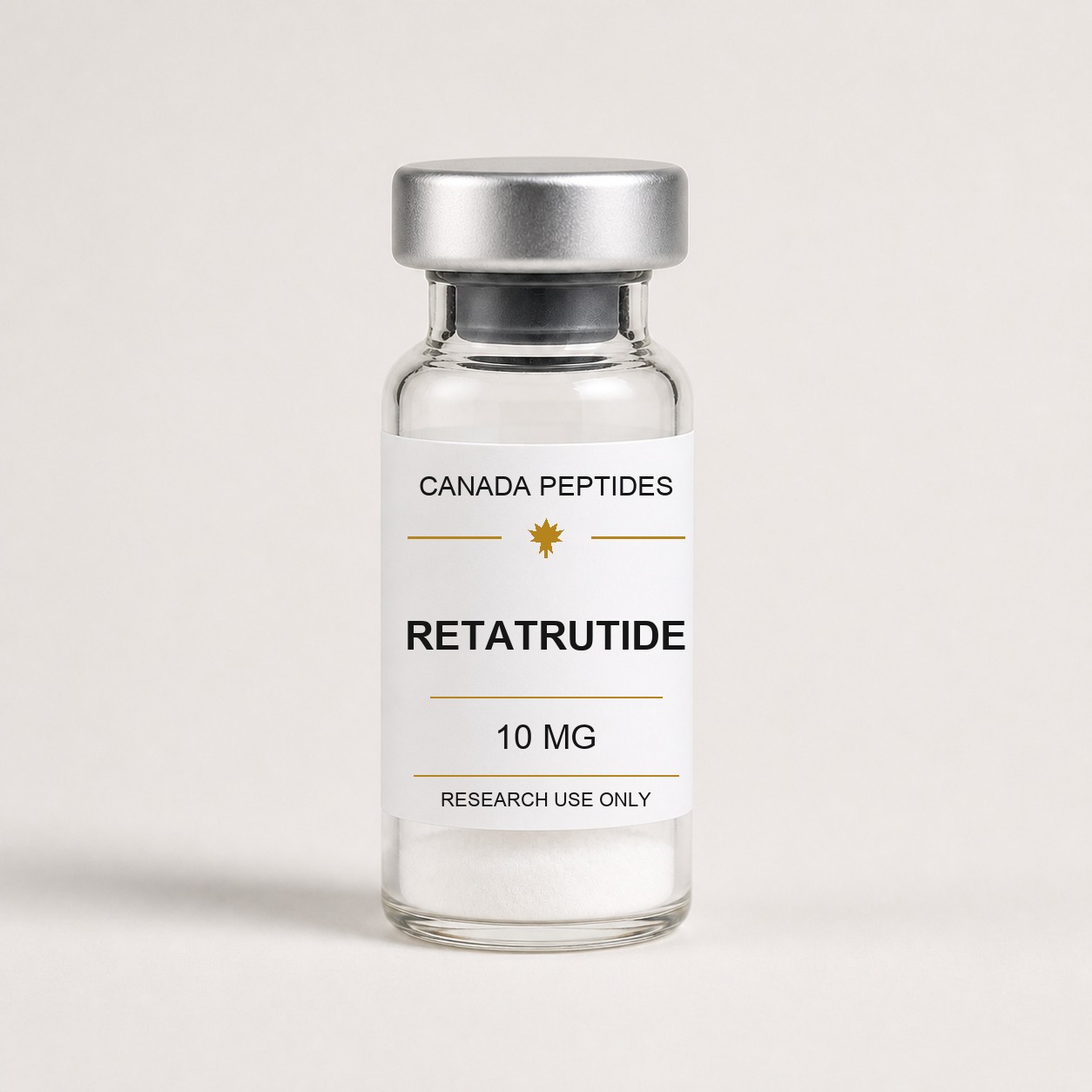
Single, dual and triple agonists
The incretin compounds separate cleanly by how many receptors they engage. Semaglutide is a GLP-1 receptor agonist. Tirzepatide is a dual GLP-1/GIP agonist. Retatrutide is a triple GLP-1/GIP/glucagon agonist and the newest of the three. GLP-1 receptor agonists compared covers the class; for head-to-head detail see retatrutide vs tirzepatide and tirzepatide vs semaglutide.
Beyond the incretins
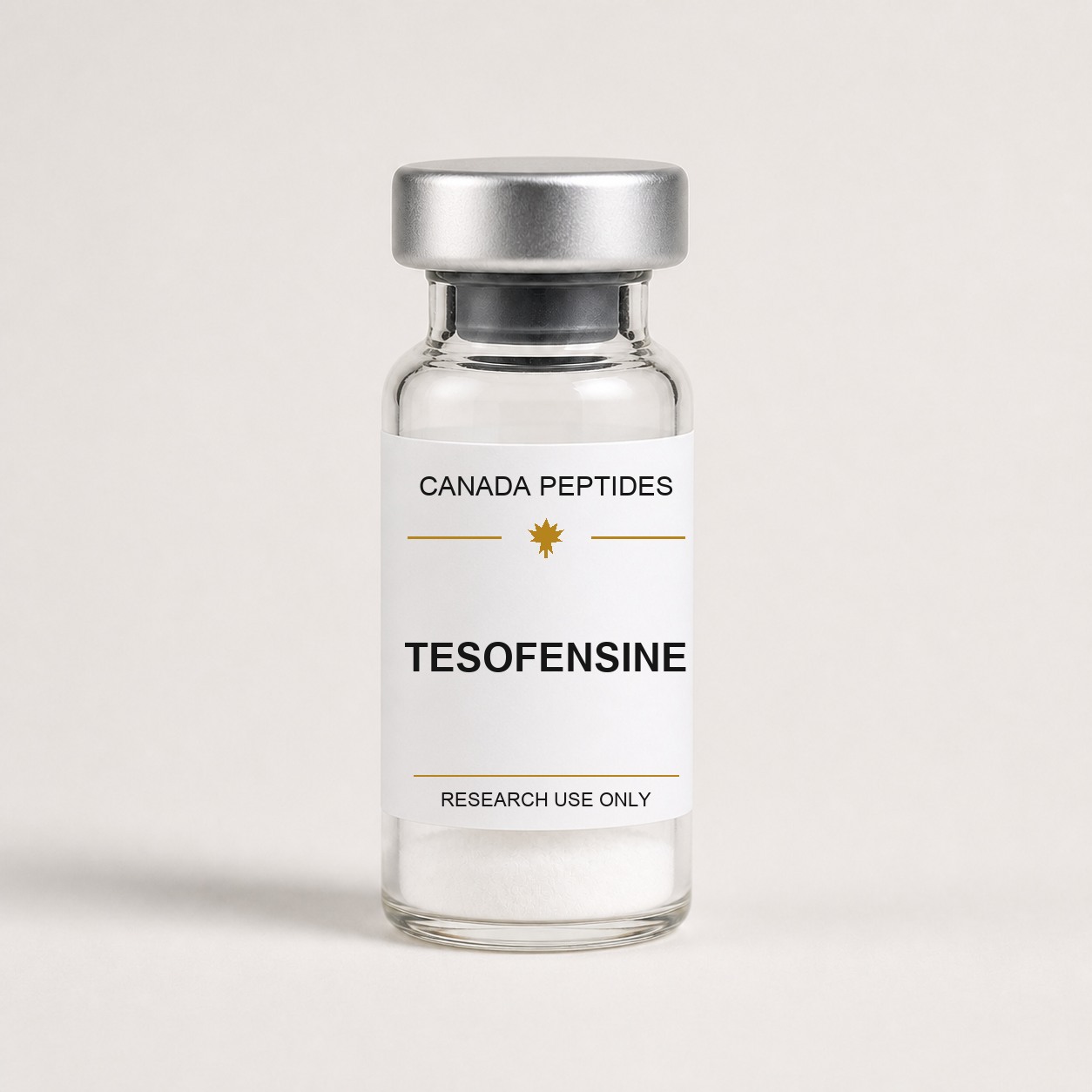
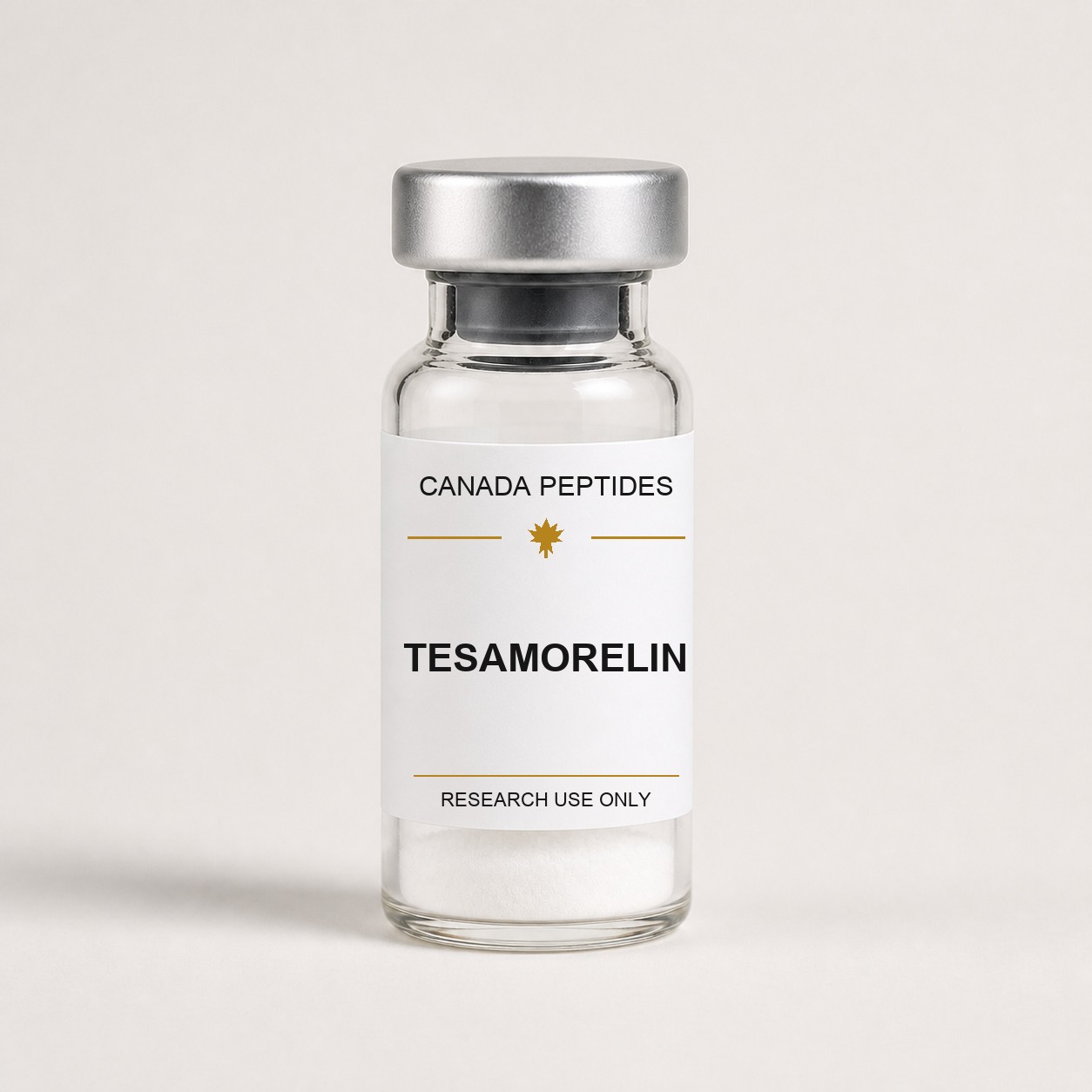
Tesamorelin is a GHRH analogue studied specifically around visceral adipose tissue — a different axis entirely from the incretins. Tesofensine is a triple monoamine reuptake inhibitor, a small molecule rather than a peptide. AOD-9604 is a growth-hormone fragment studied around lipolysis without the full GH signalling profile.
Pens and formats
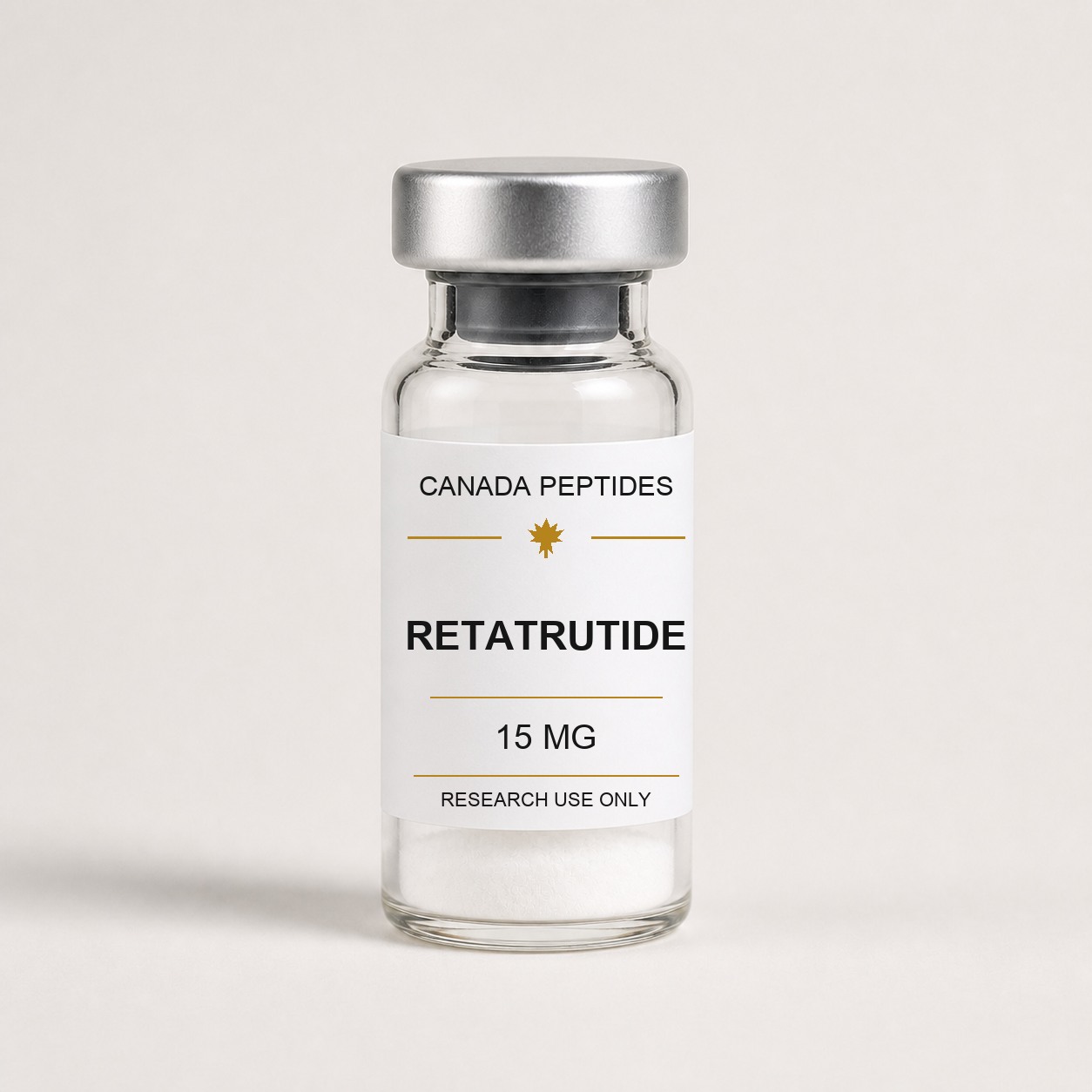
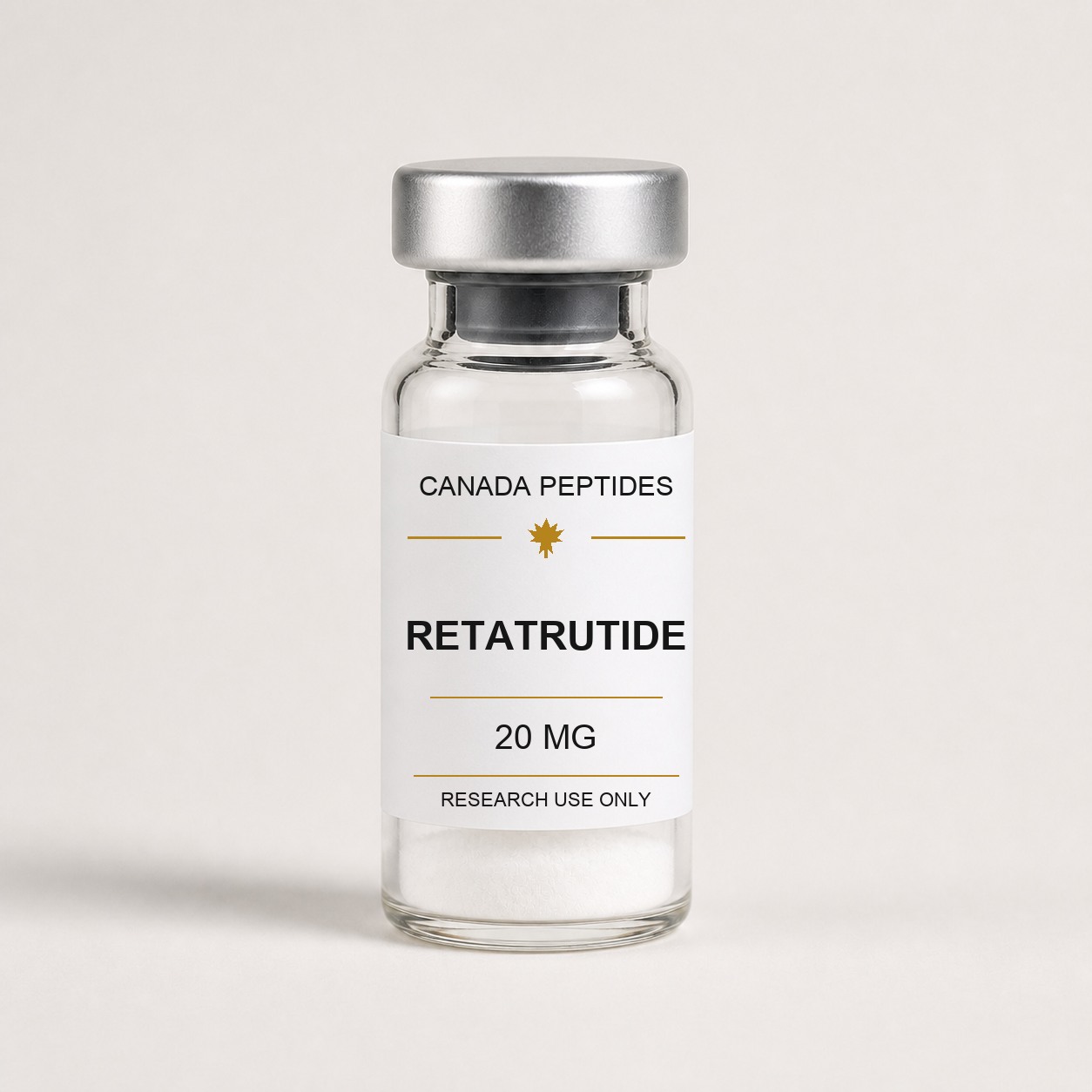
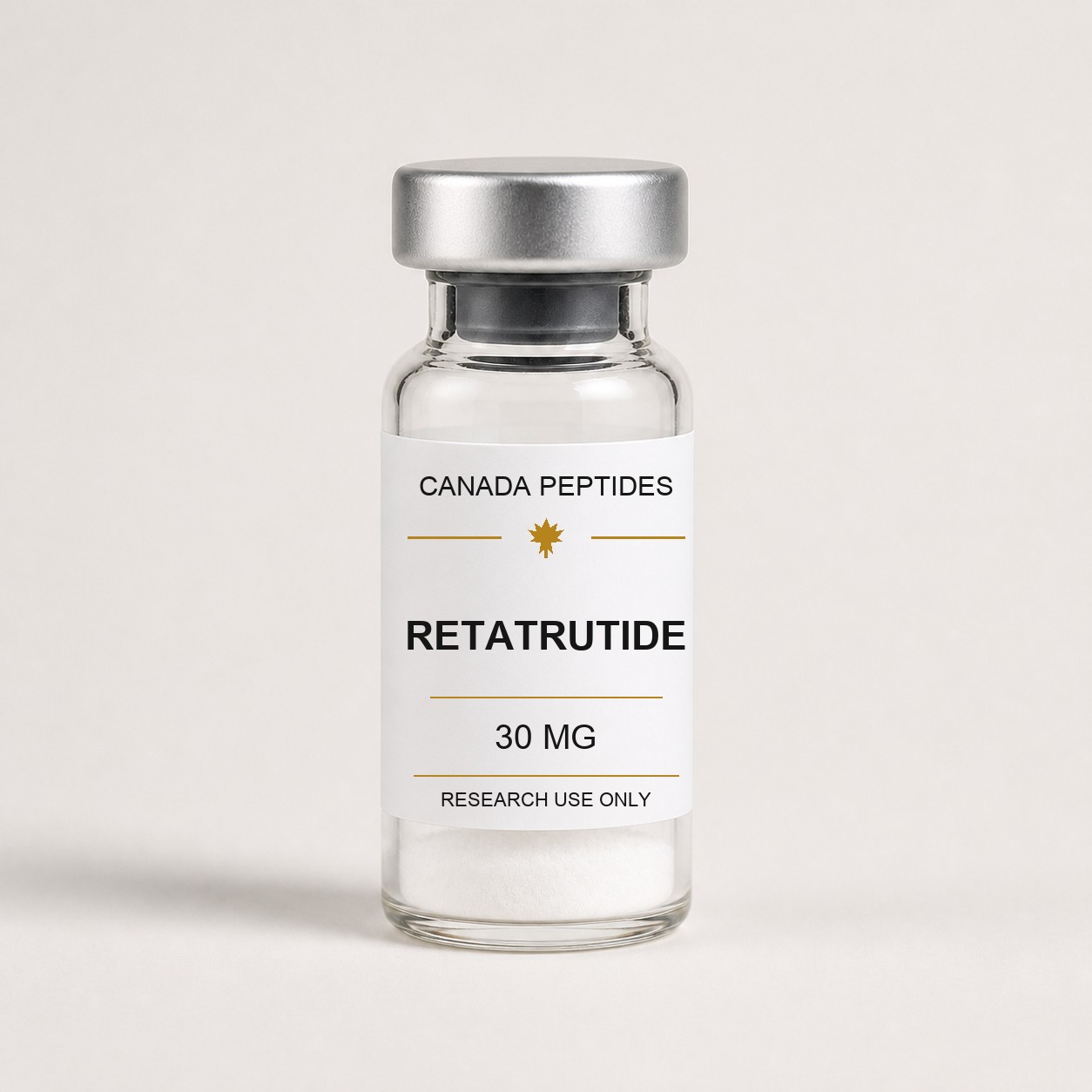
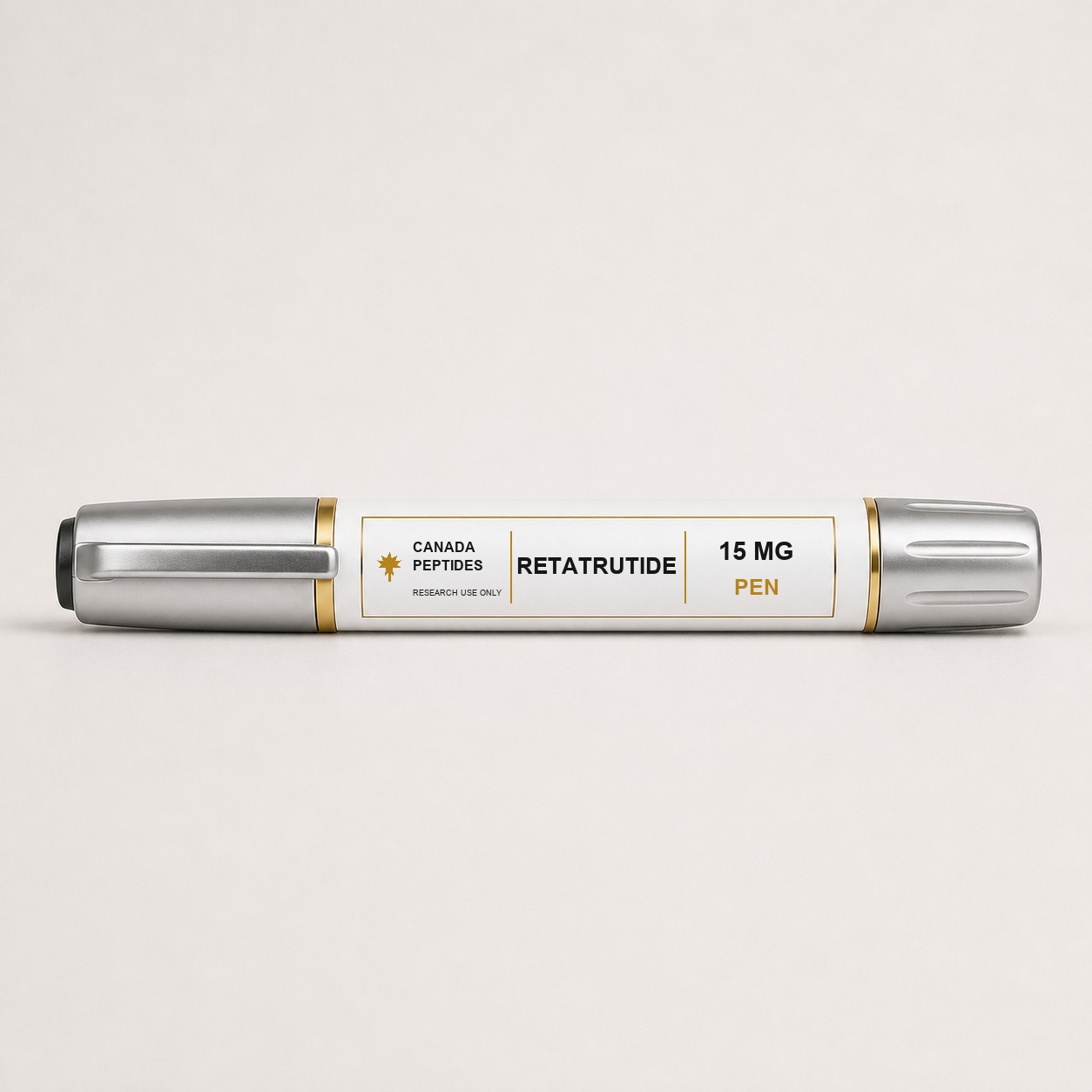
This category is the main reason the reloadable 3 mL pen format exists — retatrutide is stocked as a pen alongside 10 mg, 15 mg, 20 mg and 30 mg vials. Pens change the reconstitution arithmetic because the volume is fixed; the dosage calculator handles both formats.
Research context and comparisons
Because these compounds share mechanisms with named pharmaceuticals, the comparison content is where most questions land: retatrutide vs Ozempic, semaglutide vs tirzepatide, tirzepatide vs Mounjaro and generic semaglutide in Canada. The fat-loss foundations protocol covers research design. All of it is research framing — none of these compounds is supplied for human use.
Further reading
Tesofensine side effects — what the research reports
Tesofensine side effects by evidence tier: the dose-dependent heart-rate and blood-pressure rise, dry mouth, insomnia and mood signals from the Phase 2 and 3 trials, and the gaps.
Tesofensine dosage — research dosing notes
What the tesofensine trials administered: the 0.25–1.0 mg once-daily oral doses of TIPO-1 and the Mexican Phase 3, the nine-day half-life and weeks-long accumulation, and titration.
AOD-9604 side effects — what the research reports
AOD-9604 side effects by evidence tier: the pooled six-trial tolerability data from the oral Phase 1 and 2 programme, the GRAS and FDA positions, animal work, and the injectable-route gap.
AOD-9604 dosage — research dosing notes
What the literature reports on AOD-9604 dosage: the 1–30 mg oral trial doses, rodent mg/kg protocols, the absent injectable half-life, and reconstitution math for a 2.5 mg vial.
Tesamorelin side effects — what the research reports
Tesamorelin side effects from the Egrifta Phase 3 trials and monograph: injection-site reactions, arthralgia, oedema, glucose and IGF-1 signals, and why none of it transfers to research-grade vials.
AOD-9604 — a research overview
A research overview of the AOD-9604 peptide: the hGH 177-191 fragment, its proposed β3-adrenergic lipolysis mechanism, what the Phase 2a and Phase 2b human trials actually returned, and its regulatory status.
Metabolic peptides FAQ
- What are metabolic peptides?
- Metabolic peptides are sequences studied in research contexts around energy balance and body composition. The largest sub-class is the incretin receptor agonists — GLP-1, GIP and glucagon — which includes semaglutide, tirzepatide and retatrutide.
- What is the difference between semaglutide, tirzepatide and retatrutide?
- They differ by receptor coverage. Semaglutide is a single GLP-1 receptor agonist; tirzepatide is a dual GLP-1/GIP agonist; retatrutide is a triple GLP-1/GIP/glucagon agonist. Each additional receptor changes the research profile, which is why they are studied as distinct compounds rather than interchangeable ones.
- Can I buy GLP-1 research peptides in Canada?
- Yes. Canada Peptides stocks research-grade semaglutide, tirzepatide and retatrutide — the latter in 10 mg, 15 mg, 20 mg and 30 mg vials plus a reloadable pen — priced in CAD and shipped within Canada, for research use only.
- Are these the same as Ozempic, Wegovy or Mounjaro?
- No. Those are approved pharmaceutical products with their own manufacturing, labelling and regulatory status. The compounds here are research-grade materials supplied for laboratory use only and are not substitutes for any approved medicine.
- Which metabolic compounds are available as pens?
- Retatrutide is stocked in the reloadable 3 mL pen format alongside standard vials. See the pens page for the full list across all categories.
- Are these research use only?
- Yes. Everything in this category is supplied strictly for laboratory and research use. Nothing on this page is medical advice or a therapeutic claim.
Other categories
- CognitiveSemax, Selank, Cerebrolysin — neuropeptides studied around BDNF signalling and attention.
- EnergyMOTS-c and SLU-PP-332 — mitochondrial-derived signalling and ERR agonism.
- RecoveryBPC-157, TB-500, KPV and glutathione — angiogenic, cytoskeletal and anti-inflammatory pathways.
- SleepDSIP — the delta sleep-inducing peptide, studied around slow-wave sleep architecture.
- LongevityCJC-1295, ipamorelin, GHRP-2/6, epithalon and NAD+ — GH-axis and cellular-ageing research.
- SkinGHK-Cu, GLOW, KLOW and Melanotan 2 — copper-peptide and melanocortin research.
- FoundationalKisspeptin, PT-141 and thymosin alpha-1 — upstream endocrine and immune signalling.
Research & educational use only. This page is informational and does not constitute medical advice or a therapeutic claim.